online tuition setup checklist is most useful when families begin with clear goals, a realistic routine and evidence of progress. This guide explains practical steps for the situation described, common mistakes to avoid and questions to ask before choosing or changing a learning plan.
The right arrangement depends on the student’s curriculum, starting point, schedule and learning needs. Use this as a planning framework, then adapt it to the learner’s actual circumstances. For curriculum details, use official school or board resources rather than relying only on general advice.
Choose a Suitable Device

A laptop or desktop often makes it easier to view the tutor, read shared documents and write notes at once. A tablet can work well; a phone may be a backup but the smaller screen can make diagrams harder to follow.
Parents and students should agree on responsibilities in advance: who prepares materials, who checks the task and when questions are raised. Clear expectations reduce avoidable confusion and make the arrangement easier to sustain during busy school weeks.
For this situation, start with one specific action and write down what a useful result would look like. This keeps the plan connected to the learner’s actual needs rather than an assumption that every student benefits from the same format. Use this section as a checklist, not a rigid rule: adapt it to the learner’s age, current workload and curriculum expectations.
Test Internet Stability

Run a video-call trial at the expected lesson time. If the connection is unreliable, move closer to the router, reduce competing downloads or identify a backup connection. Clear audio is essential.
For this situation, start with one specific action and write down what a useful result would look like. This keeps the plan connected to the learner’s actual needs rather than an assumption that every student benefits from the same format.
A practical example is to record the task, the evidence of completion and the next step. Give the student an opportunity to explain the reasoning or demonstrate the skill independently, so the family can distinguish genuine understanding from simply attending a lesson. Use this section as a checklist, not a rigid rule: adapt it to the learner’s age, current workload and curriculum expectations.
Check Microphone, Speakers and Headphones
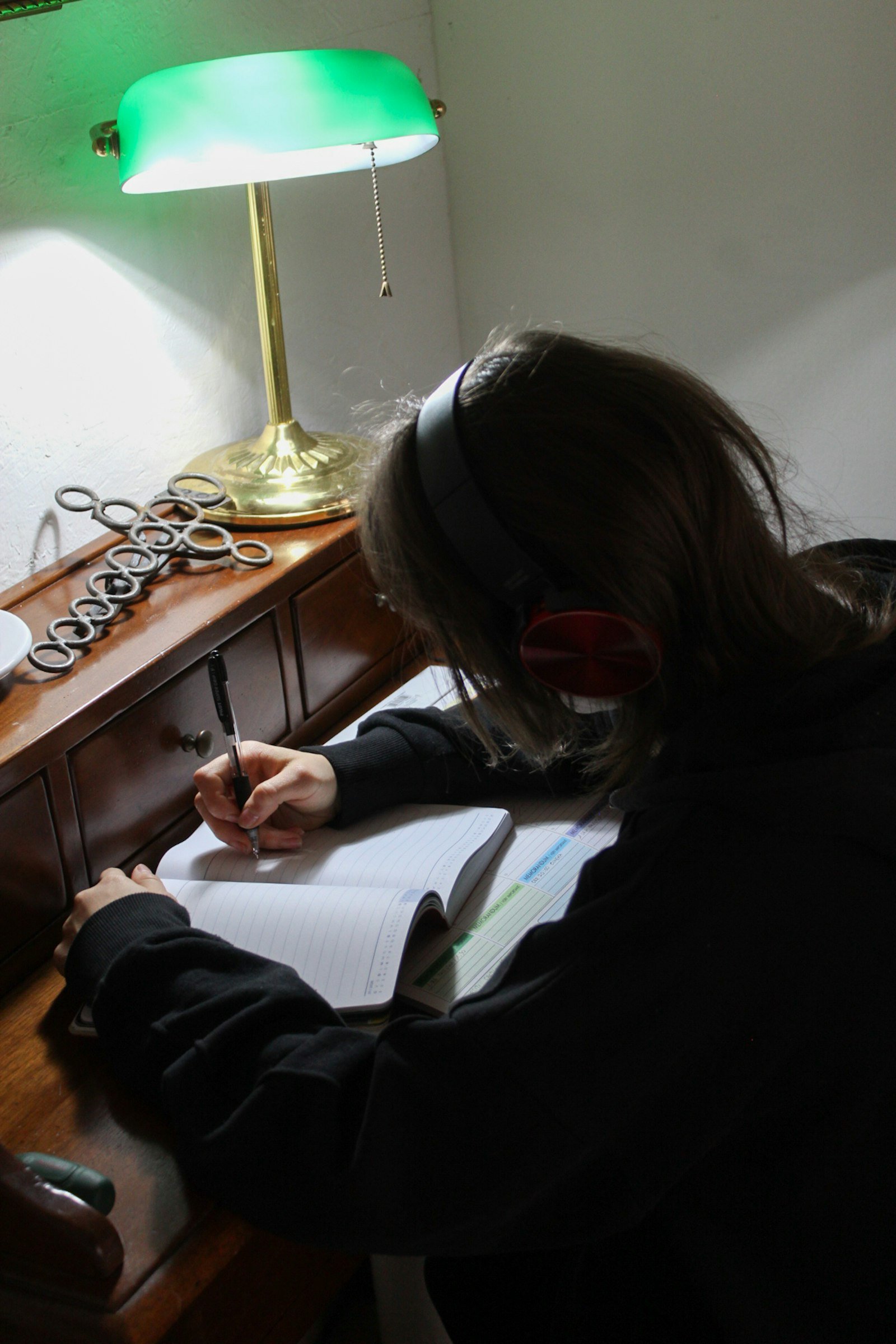
The student must hear explanations and be heard when asking questions. Test volume and echo beforehand, and make sure the learner can mute and unmute independently.
A practical example is to record the task, the evidence of completion and the next step. Give the student an opportunity to explain the reasoning or demonstrate the skill independently, so the family can distinguish genuine understanding from simply attending a lesson.
Review the approach after a short period. If the intended outcome is not becoming clearer, adjust one factor—such as timing, level of guidance or practice task—and observe whether the change helps. Repeating a plan automatically is less useful than responding to evidence. Use this section as a checklist, not a rigid rule: adapt it to the learner’s age, current workload and curriculum expectations.
Set Camera Expectations and Privacy

Video can support communication, but the family should understand platform options and privacy expectations. Position the camera to avoid revealing unnecessary personal details or other family members.
Review the approach after a short period. If the intended outcome is not becoming clearer, adjust one factor—such as timing, level of guidance or practice task—and observe whether the change helps. Repeating a plan automatically is less useful than responding to evidence.
Parents and students should agree on responsibilities in advance: who prepares materials, who checks the task and when questions are raised. Clear expectations reduce avoidable confusion and make the arrangement easier to sustain during busy school weeks. Use this section as a checklist, not a rigid rule: adapt it to the learner’s age, current workload and curriculum expectations.
Prepare the Study Surface

Keep the textbook, notebook, pens, calculator if allowed and relevant worksheets within reach. A tidy surface reduces interruptions and makes it easier to switch between listening and solving.
Parents and students should agree on responsibilities in advance: who prepares materials, who checks the task and when questions are raised. Clear expectations reduce avoidable confusion and make the arrangement easier to sustain during busy school weeks.
For this situation, start with one specific action and write down what a useful result would look like. This keeps the plan connected to the learner’s actual needs rather than an assumption that every student benefits from the same format. Use this section as a checklist, not a rigid rule: adapt it to the learner’s age, current workload and curriculum expectations.
Choose a Quiet, Well-Lit Location

Find a place with good lighting and manageable background noise. Consistency and comfort matter more than expensive furniture. Tell family members when a live lesson is in progress.
For this situation, start with one specific action and write down what a useful result would look like. This keeps the plan connected to the learner’s actual needs rather than an assumption that every student benefits from the same format.
A practical example is to record the task, the evidence of completion and the next step. Give the student an opportunity to explain the reasoning or demonstrate the skill independently, so the family can distinguish genuine understanding from simply attending a lesson. Use this section as a checklist, not a rigid rule: adapt it to the learner’s age, current workload and curriculum expectations.
Organise Digital Files and Links

Create a folder for notes, practice tasks and completed work. Use clear file names and trusted class links. Keep passwords private and avoid unfamiliar downloads.
A practical example is to record the task, the evidence of completion and the next step. Give the student an opportunity to explain the reasoning or demonstrate the skill independently, so the family can distinguish genuine understanding from simply attending a lesson.
Review the approach after a short period. If the intended outcome is not becoming clearer, adjust one factor—such as timing, level of guidance or practice task—and observe whether the change helps. Repeating a plan automatically is less useful than responding to evidence. Use this section as a checklist, not a rigid rule: adapt it to the learner’s age, current workload and curriculum expectations.
Create a Backup Plan

Agree what to do if the call drops, audio fails or power is interrupted. A backup device, hotspot or agreed way to receive notes can prevent a short problem from derailing the session.
Review the approach after a short period. If the intended outcome is not becoming clearer, adjust one factor—such as timing, level of guidance or practice task—and observe whether the change helps. Repeating a plan automatically is less useful than responding to evidence.
Parents and students should agree on responsibilities in advance: who prepares materials, who checks the task and when questions are raised. Clear expectations reduce avoidable confusion and make the arrangement easier to sustain during busy school weeks. Use this section as a checklist, not a rigid rule: adapt it to the learner’s age, current workload and curriculum expectations.
Teach Basic Online Safety

Students should not share passwords, addresses or unrelated personal details in a class chat. Use approved meeting links and tell a parent about unexpected contact.
Parents and students should agree on responsibilities in advance: who prepares materials, who checks the task and when questions are raised. Clear expectations reduce avoidable confusion and make the arrangement easier to sustain during busy school weeks.
For this situation, start with one specific action and write down what a useful result would look like. This keeps the plan connected to the learner’s actual needs rather than an assumption that every student benefits from the same format. Use this section as a checklist, not a rigid rule: adapt it to the learner’s age, current workload and curriculum expectations.
Agree on Recording and Note-Sharing

Clarify whether lessons are recorded, who can access recordings and how long files remain available. Do not assume a recording exists or can be shared without permission.
For this situation, start with one specific action and write down what a useful result would look like. This keeps the plan connected to the learner’s actual needs rather than an assumption that every student benefits from the same format.
A practical example is to record the task, the evidence of completion and the next step. Give the student an opportunity to explain the reasoning or demonstrate the skill independently, so the family can distinguish genuine understanding from simply attending a lesson. Use this section as a checklist, not a rigid rule: adapt it to the learner’s age, current workload and curriculum expectations.
Reduce Digital Distractions

Silence nonessential notifications and close unrelated tabs before class. The aim is to make attention easier, not to punish normal mistakes or demand unrealistic perfection.
A practical example is to record the task, the evidence of completion and the next step. Give the student an opportunity to explain the reasoning or demonstrate the skill independently, so the family can distinguish genuine understanding from simply attending a lesson.
Review the approach after a short period. If the intended outcome is not becoming clearer, adjust one factor—such as timing, level of guidance or practice task—and observe whether the change helps. Repeating a plan automatically is less useful than responding to evidence. Use this section as a checklist, not a rigid rule: adapt it to the learner’s age, current workload and curriculum expectations.
Check Accessibility and Comfort

Adjust font size, screen position and audio volume. Students who need accessibility features should test them before the lesson and tell the tutor what helps them participate.
Review the approach after a short period. If the intended outcome is not becoming clearer, adjust one factor—such as timing, level of guidance or practice task—and observe whether the change helps. Repeating a plan automatically is less useful than responding to evidence.
Parents and students should agree on responsibilities in advance: who prepares materials, who checks the task and when questions are raised. Clear expectations reduce avoidable confusion and make the arrangement easier to sustain during busy school weeks. Use this section as a checklist, not a rigid rule: adapt it to the learner’s age, current workload and curriculum expectations.
Prepare Younger Students for Login
Younger learners may need help opening the class link, locating worksheets and checking sound. Practise these steps before class and gradually encourage independent handling.
Parents and students should agree on responsibilities in advance: who prepares materials, who checks the task and when questions are raised. Clear expectations reduce avoidable confusion and make the arrangement easier to sustain during busy school weeks.
For this situation, start with one specific action and write down what a useful result would look like. This keeps the plan connected to the learner’s actual needs rather than an assumption that every student benefits from the same format. Use this section as a checklist, not a rigid rule: adapt it to the learner’s age, current workload and curriculum expectations.
Protect Family Privacy

Use a background that does not reveal private documents or family spaces. Review camera permissions and account settings, and share only information necessary for tuition.
For this situation, start with one specific action and write down what a useful result would look like. This keeps the plan connected to the learner’s actual needs rather than an assumption that every student benefits from the same format.
A practical example is to record the task, the evidence of completion and the next step. Give the student an opportunity to explain the reasoning or demonstrate the skill independently, so the family can distinguish genuine understanding from simply attending a lesson. Use this section as a checklist, not a rigid rule: adapt it to the learner’s age, current workload and curriculum expectations.
Create a Two-Minute Pre-Class Routine

Charge the device, open the correct link, prepare materials and write down doubts before class. A repeatable routine saves teaching time and helps the student arrive prepared.
A practical example is to record the task, the evidence of completion and the next step. Give the student an opportunity to explain the reasoning or demonstrate the skill independently, so the family can distinguish genuine understanding from simply attending a lesson.
Review the approach after a short period. If the intended outcome is not becoming clearer, adjust one factor—such as timing, level of guidance or practice task—and observe whether the change helps. Repeating a plan automatically is less useful than responding to evidence. Use this section as a checklist, not a rigid rule: adapt it to the learner’s age, current workload and curriculum expectations.
Review the Setup After One Week

Ask what interrupted the lesson, what was hard to see or hear and which materials were missing. Fix recurring friction points before buying expensive equipment.
Review the approach after a short period. If the intended outcome is not becoming clearer, adjust one factor—such as timing, level of guidance or practice task—and observe whether the change helps. Repeating a plan automatically is less useful than responding to evidence.
Parents and students should agree on responsibilities in advance: who prepares materials, who checks the task and when questions are raised. Clear expectations reduce avoidable confusion and make the arrangement easier to sustain during busy school weeks. Use this section as a checklist, not a rigid rule: adapt it to the learner’s age, current workload and curriculum expectations.
FAQs: What Is Needed for Online Tuition?

Most students need a suitable device, stable connection, clear audio, study materials, privacy awareness and a backup plan. Test these basics and ask the tutor about platform requirements in advance.
Parents and students should agree on responsibilities in advance: who prepares materials, who checks the task and when questions are raised. Clear expectations reduce avoidable confusion and make the arrangement easier to sustain during busy school weeks.
For this situation, start with one specific action and write down what a useful result would look like. This keeps the plan connected to the learner’s actual needs rather than an assumption that every student benefits from the same format. Use this section as a checklist, not a rigid rule: adapt it to the learner’s age, current workload and curriculum expectations.
A useful planning method is to set one short-term goal, choose a practice task that directly tests it, and agree when the result will be reviewed. Keep the record brief enough to maintain every week. A note such as “attempted the task independently, needed help with the second step, will retry three similar examples” is more actionable than a general statement that the student did well or struggled. It also gives the next lesson a clear starting point.
The learner should have a voice in the plan. Ask what part of the process feels useful, where instructions are unclear and what gets in the way of completing work. The student’s answer may reveal practical issues such as a poor class time, too many tasks, missing materials or uncertainty about how to ask a question. Solve those barriers where possible before adding more lessons or increasing the workload.
Families should also keep expectations realistic. Outcomes depend on the starting point, consistency, curriculum demands, available time and many factors beyond one tutor or one session. Avoid guarantees about marks or fixed timelines. Instead, look for concrete signs of improvement, review the evidence at agreed intervals and update the plan when school demands or learning priorities change.
A final check is whether the student can use the learning beyond the live lesson. Ask for a fresh example, an explanation in the student’s own words or a short independent attempt. If the skill appears only when the tutor provides every step, the next session should focus on guided practice that gradually removes those prompts. This creates a clearer bridge from explanation to independent work.
Helpful resources: Explore The Infinity online live learning, visit The Infinity Home Tuitions, download the The Infinity app, or follow the WhatsApp learning channel. For curriculum information, consult CBSE Academic and the NCERT textbook portal where relevant.
Explore learning support with The Infinity Home Tuitions. Discuss the student’s grade, curriculum, subject, schedule and learning goals before selecting a plan. Explore online live classes · WhatsApp channel.