online tuition for homeschooling families is most useful when families begin with clear goals, a realistic routine and evidence of progress. This guide explains practical steps for the situation described, common mistakes to avoid and questions to ask before choosing or changing a learning plan.
The right arrangement depends on the student’s curriculum, starting point, schedule and learning needs. Use this as a planning framework, then adapt it to the learner’s actual circumstances. For curriculum details, use official school or board resources rather than relying only on general advice.
Clarify the Role of Online Tuition
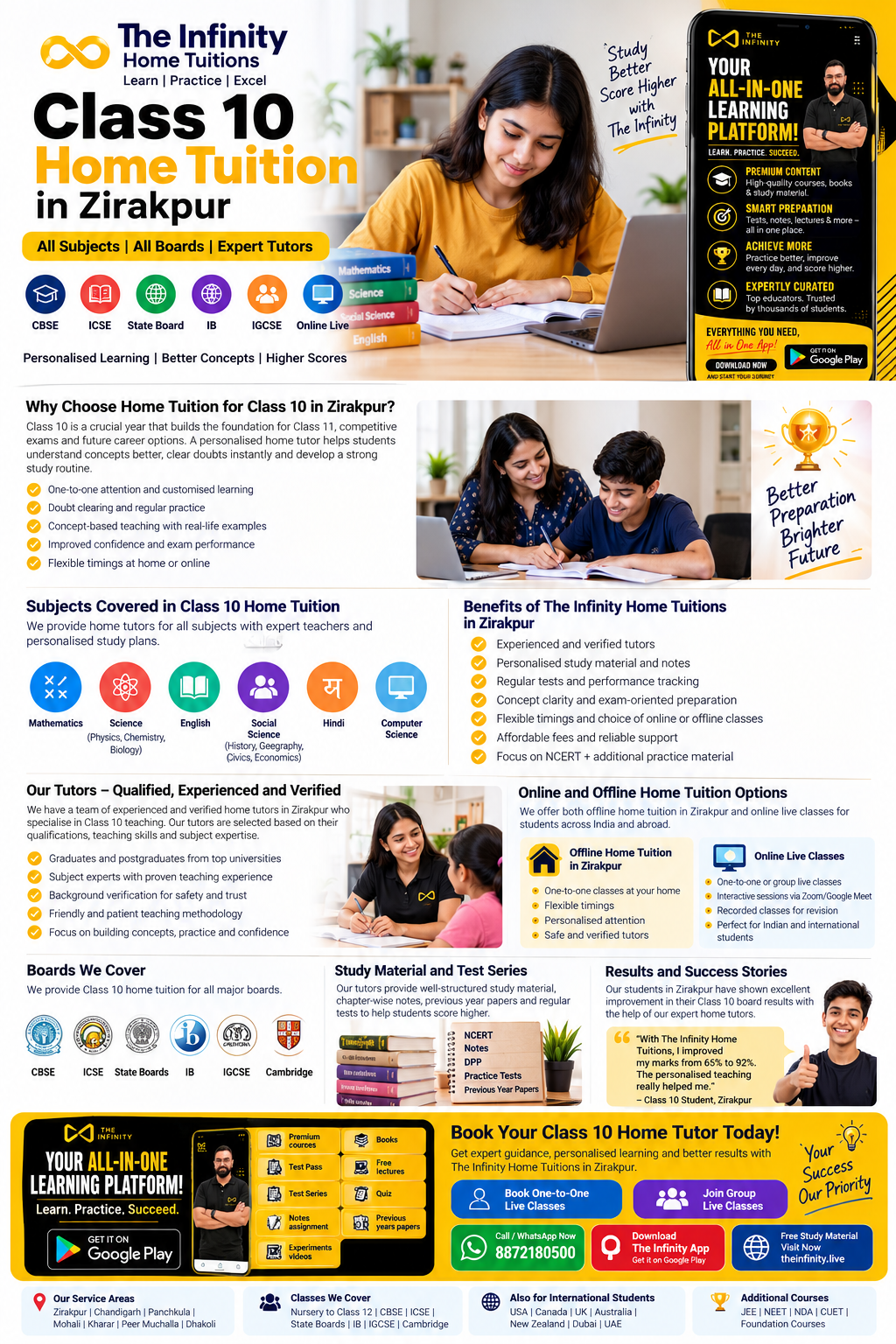
Online tuition can supplement a family’s home-learning plan with specialist explanations, practice or feedback. It does not automatically replace the family’s responsibility to check curriculum and applicable local requirements.
A practical example is to record the task, the evidence of completion and the next step. Give the student an opportunity to explain the reasoning or demonstrate the skill independently, so the family can distinguish genuine understanding from simply attending a lesson.
Review the approach after a short period. If the intended outcome is not becoming clearer, adjust one factor—such as timing, level of guidance or practice task—and observe whether the change helps. Repeating a plan automatically is less useful than responding to evidence. Use this section as a checklist, not a rigid rule: adapt it to the learner’s age, current workload and curriculum expectations.
Identify Curriculum and Learning Outcomes

Record the curriculum, learner level and intended outcomes for the term. This helps the tutor align lessons with the right sequence rather than teaching unrelated topics.
Review the approach after a short period. If the intended outcome is not becoming clearer, adjust one factor—such as timing, level of guidance or practice task—and observe whether the change helps. Repeating a plan automatically is less useful than responding to evidence.
Parents and students should agree on responsibilities in advance: who prepares materials, who checks the task and when questions are raised. Clear expectations reduce avoidable confusion and make the arrangement easier to sustain during busy school weeks. Use this section as a checklist, not a rigid rule: adapt it to the learner’s age, current workload and curriculum expectations.
Build a Weekly Home-Learning Rhythm
Plan live tuition, independent reading, written practice, projects, movement and breaks. A predictable rhythm supports focus while allowing the flexibility that many home-learning families value.
Parents and students should agree on responsibilities in advance: who prepares materials, who checks the task and when questions are raised. Clear expectations reduce avoidable confusion and make the arrangement easier to sustain during busy school weeks.
For this situation, start with one specific action and write down what a useful result would look like. This keeps the plan connected to the learner’s actual needs rather than an assumption that every student benefits from the same format. Use this section as a checklist, not a rigid rule: adapt it to the learner’s age, current workload and curriculum expectations.
Choose Subjects That Need Specialist Support

Parents may be comfortable teaching some subjects but prefer a specialist for advanced Maths, Science, languages or examination preparation. Select support based on actual needs.
For this situation, start with one specific action and write down what a useful result would look like. This keeps the plan connected to the learner’s actual needs rather than an assumption that every student benefits from the same format.
A practical example is to record the task, the evidence of completion and the next step. Give the student an opportunity to explain the reasoning or demonstrate the skill independently, so the family can distinguish genuine understanding from simply attending a lesson. Use this section as a checklist, not a rigid rule: adapt it to the learner’s age, current workload and curriculum expectations.
Use Live Lessons for Interaction

The student should ask questions, explain reasoning and attempt tasks during class. A live session is more useful when the learner participates instead of passively watching an explanation.
A practical example is to record the task, the evidence of completion and the next step. Give the student an opportunity to explain the reasoning or demonstrate the skill independently, so the family can distinguish genuine understanding from simply attending a lesson.
Review the approach after a short period. If the intended outcome is not becoming clearer, adjust one factor—such as timing, level of guidance or practice task—and observe whether the change helps. Repeating a plan automatically is less useful than responding to evidence. Use this section as a checklist, not a rigid rule: adapt it to the learner’s age, current workload and curriculum expectations.
Balance Guided Teaching and Independent Work
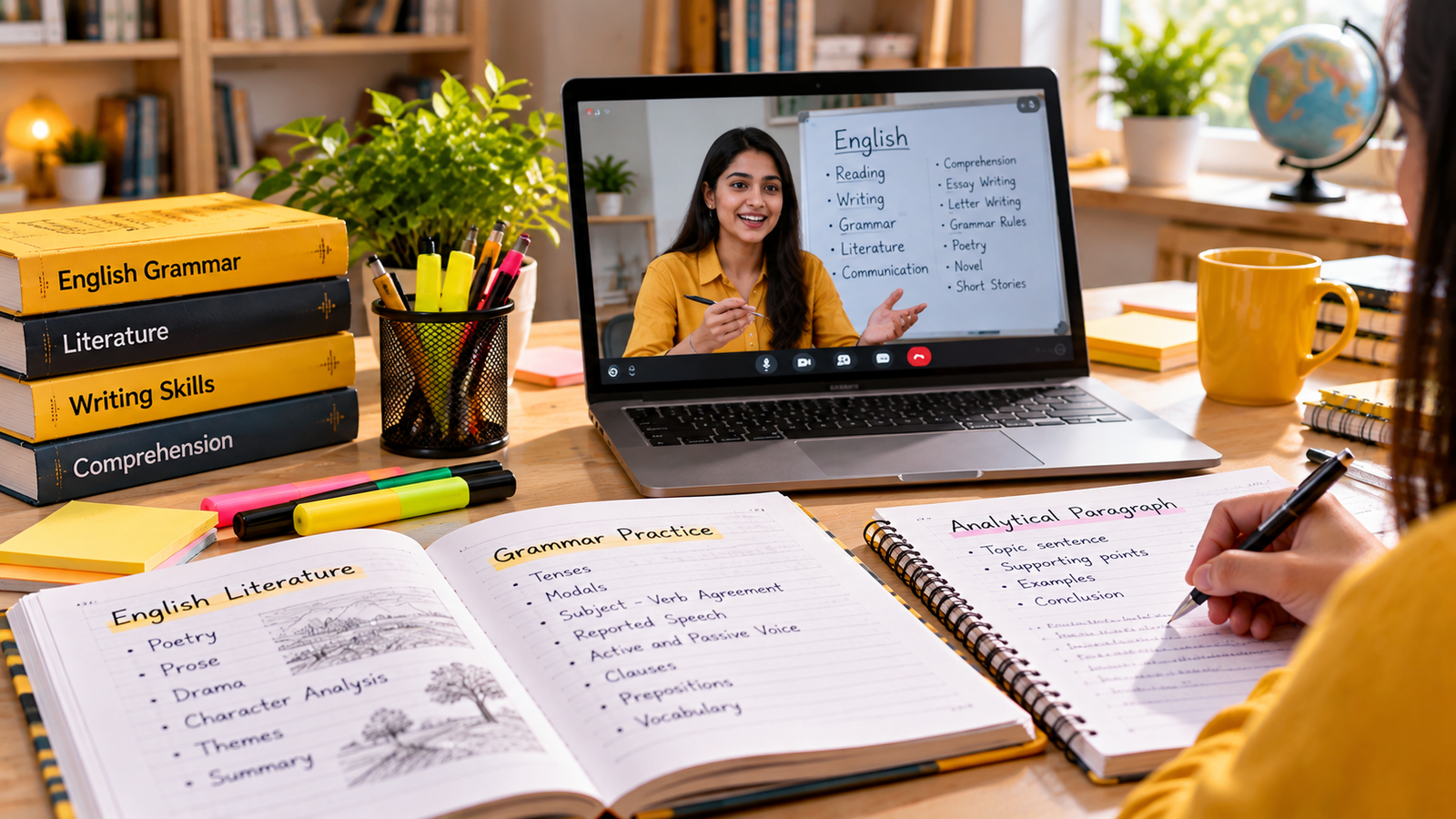
A tutor can model a skill and solve an example with the learner, then remove prompts and ask for an independent attempt. That final step shows whether the learner can apply the method.
Review the approach after a short period. If the intended outcome is not becoming clearer, adjust one factor—such as timing, level of guidance or practice task—and observe whether the change helps. Repeating a plan automatically is less useful than responding to evidence.
Parents and students should agree on responsibilities in advance: who prepares materials, who checks the task and when questions are raised. Clear expectations reduce avoidable confusion and make the arrangement easier to sustain during busy school weeks. Use this section as a checklist, not a rigid rule: adapt it to the learner’s age, current workload and curriculum expectations.
Create a Portfolio of Learning Evidence

Keep selected written work, project outcomes, quizzes and reflections. A portfolio shows development across time and supports better planning than relying on one score.
Parents and students should agree on responsibilities in advance: who prepares materials, who checks the task and when questions are raised. Clear expectations reduce avoidable confusion and make the arrangement easier to sustain during busy school weeks.
For this situation, start with one specific action and write down what a useful result would look like. This keeps the plan connected to the learner’s actual needs rather than an assumption that every student benefits from the same format. Use this section as a checklist, not a rigid rule: adapt it to the learner’s age, current workload and curriculum expectations.
Use Assessments to Guide Teaching

Short checks can show what is remembered and where more teaching is needed. Assessment should inform the next lesson, not merely generate a grade.
For this situation, start with one specific action and write down what a useful result would look like. This keeps the plan connected to the learner’s actual needs rather than an assumption that every student benefits from the same format.
A practical example is to record the task, the evidence of completion and the next step. Give the student an opportunity to explain the reasoning or demonstrate the skill independently, so the family can distinguish genuine understanding from simply attending a lesson. Use this section as a checklist, not a rigid rule: adapt it to the learner’s age, current workload and curriculum expectations.
Coordinate Parent and Tutor Responsibilities

Agree who sets the broad plan, chooses lesson objectives, checks practice and communicates concerns. Clear roles prevent duplicated tasks and conflicting instructions.
A practical example is to record the task, the evidence of completion and the next step. Give the student an opportunity to explain the reasoning or demonstrate the skill independently, so the family can distinguish genuine understanding from simply attending a lesson.
Review the approach after a short period. If the intended outcome is not becoming clearer, adjust one factor—such as timing, level of guidance or practice task—and observe whether the change helps. Repeating a plan automatically is less useful than responding to evidence. Use this section as a checklist, not a rigid rule: adapt it to the learner’s age, current workload and curriculum expectations.
Include Practical and Social Learning

A home-learning programme should include hands-on activities, reading, movement, discussion and appropriate interaction with peers. Online tuition is one part of a wider learning environment.
Review the approach after a short period. If the intended outcome is not becoming clearer, adjust one factor—such as timing, level of guidance or practice task—and observe whether the change helps. Repeating a plan automatically is less useful than responding to evidence.
Parents and students should agree on responsibilities in advance: who prepares materials, who checks the task and when questions are raised. Clear expectations reduce avoidable confusion and make the arrangement easier to sustain during busy school weeks. Use this section as a checklist, not a rigid rule: adapt it to the learner’s age, current workload and curriculum expectations.
Prepare a Suitable Study Space

Choose a well-lit, quiet location with stable internet and essential materials. The space need not be elaborate; comfort and consistency matter more than expensive equipment.
Parents and students should agree on responsibilities in advance: who prepares materials, who checks the task and when questions are raised. Clear expectations reduce avoidable confusion and make the arrangement easier to sustain during busy school weeks.
For this situation, start with one specific action and write down what a useful result would look like. This keeps the plan connected to the learner’s actual needs rather than an assumption that every student benefits from the same format. Use this section as a checklist, not a rigid rule: adapt it to the learner’s age, current workload and curriculum expectations.
Keep a Simple Topic and Work Record

Track lesson date, topic, practice completed, questions remaining and next review. This helps parents and tutors identify recurring difficulties and maintain continuity.
For this situation, start with one specific action and write down what a useful result would look like. This keeps the plan connected to the learner’s actual needs rather than an assumption that every student benefits from the same format.
A practical example is to record the task, the evidence of completion and the next step. Give the student an opportunity to explain the reasoning or demonstrate the skill independently, so the family can distinguish genuine understanding from simply attending a lesson. Use this section as a checklist, not a rigid rule: adapt it to the learner’s age, current workload and curriculum expectations.
Adapt to Age and Independence
Younger learners may need help logging in and organising materials. Older students can take more responsibility for preparing questions, tracking work and reflecting on progress.
A practical example is to record the task, the evidence of completion and the next step. Give the student an opportunity to explain the reasoning or demonstrate the skill independently, so the family can distinguish genuine understanding from simply attending a lesson.
Review the approach after a short period. If the intended outcome is not becoming clearer, adjust one factor—such as timing, level of guidance or practice task—and observe whether the change helps. Repeating a plan automatically is less useful than responding to evidence. Use this section as a checklist, not a rigid rule: adapt it to the learner’s age, current workload and curriculum expectations.
Plan for Formal Exams and Requirements

If the learner will sit board or external exams, verify eligibility, registration and syllabus details through official sources. Tuition supports preparation but does not itself satisfy formal registration requirements.
Review the approach after a short period. If the intended outcome is not becoming clearer, adjust one factor—such as timing, level of guidance or practice task—and observe whether the change helps. Repeating a plan automatically is less useful than responding to evidence.
Parents and students should agree on responsibilities in advance: who prepares materials, who checks the task and when questions are raised. Clear expectations reduce avoidable confusion and make the arrangement easier to sustain during busy school weeks. Use this section as a checklist, not a rigid rule: adapt it to the learner’s age, current workload and curriculum expectations.
Review the Approach Monthly

Check whether the learner is progressing, whether lesson frequency is appropriate and whether the workload is balanced. Change the plan when evidence suggests it is not working.
Parents and students should agree on responsibilities in advance: who prepares materials, who checks the task and when questions are raised. Clear expectations reduce avoidable confusion and make the arrangement easier to sustain during busy school weeks.
For this situation, start with one specific action and write down what a useful result would look like. This keeps the plan connected to the learner’s actual needs rather than an assumption that every student benefits from the same format. Use this section as a checklist, not a rigid rule: adapt it to the learner’s age, current workload and curriculum expectations.
Avoid Common Homeschool Tuition Mistakes

Avoid overloading the week with lessons, using tutoring to complete every assignment or waiting until exam time to check alignment. Keep goals explicit and preserve independent work.
For this situation, start with one specific action and write down what a useful result would look like. This keeps the plan connected to the learner’s actual needs rather than an assumption that every student benefits from the same format.
A practical example is to record the task, the evidence of completion and the next step. Give the student an opportunity to explain the reasoning or demonstrate the skill independently, so the family can distinguish genuine understanding from simply attending a lesson. Use this section as a checklist, not a rigid rule: adapt it to the learner’s age, current workload and curriculum expectations.
FAQs: Adding Online Tuition to Homeschooling

Online tuition can add subject expertise and accountability when aligned with the family’s curriculum and goals. Clarify learning outcomes, responsibilities, schedule, assessment methods and progress evidence before starting.
A practical example is to record the task, the evidence of completion and the next step. Give the student an opportunity to explain the reasoning or demonstrate the skill independently, so the family can distinguish genuine understanding from simply attending a lesson.
Review the approach after a short period. If the intended outcome is not becoming clearer, adjust one factor—such as timing, level of guidance or practice task—and observe whether the change helps. Repeating a plan automatically is less useful than responding to evidence. Use this section as a checklist, not a rigid rule: adapt it to the learner’s age, current workload and curriculum expectations.
A useful planning method is to set one short-term goal, choose a practice task that directly tests it, and agree when the result will be reviewed. Keep the record brief enough to maintain every week. A note such as “attempted the task independently, needed help with the second step, will retry three similar examples” is more actionable than a general statement that the student did well or struggled. It also gives the next lesson a clear starting point.
The learner should have a voice in the plan. Ask what part of the process feels useful, where instructions are unclear and what gets in the way of completing work. The student’s answer may reveal practical issues such as a poor class time, too many tasks, missing materials or uncertainty about how to ask a question. Solve those barriers where possible before adding more lessons or increasing the workload.
Families should also keep expectations realistic. Outcomes depend on the starting point, consistency, curriculum demands, available time and many factors beyond one tutor or one session. Avoid guarantees about marks or fixed timelines. Instead, look for concrete signs of improvement, review the evidence at agreed intervals and update the plan when school demands or learning priorities change.
A final check is whether the student can use the learning beyond the live lesson. Ask for a fresh example, an explanation in the student’s own words or a short independent attempt. If the skill appears only when the tutor provides every step, the next session should focus on guided practice that gradually removes those prompts. This creates a clearer bridge from explanation to independent work.
Helpful resources: Explore The Infinity online live learning, visit The Infinity Home Tuitions, download the The Infinity app, or follow the WhatsApp learning channel. For curriculum information, consult CBSE Academic and the NCERT textbook portal where relevant.
Explore learning support with The Infinity Home Tuitions. Discuss the student’s grade, curriculum, subject, schedule and learning goals before selecting a plan. Explore online live classes · WhatsApp channel.