
Parents searching for an online Geography tutor for Class 4 should look for clear explanations, age-appropriate activities and a plan that follows the child’s school curriculum. Class 4 is a valuable stage for developing subject foundations, curiosity and independent learning habits. Effective tuition helps a child understand ideas, practise thoughtfully, ask questions and apply skills in new situations. It should not rely on unrealistic score guarantees or a one-size-fits-all worksheet routine.
This guide explains what to practise, how a tutor can structure lessons and how parents can review progress. Explore The Infinity live learning platform and The Infinity Home Tuitions for online learning options.
Our planet and place

Class 4 learning in Geography should begin with the learner’s current school material and a short diagnostic activity. The tutor can ask the child to describe a familiar example, complete a small task and explain the thinking behind it. This reveals whether the learner needs vocabulary support, a clearer model, more guided practice or an opportunity to apply a skill independently. The lesson should follow the prescribed textbook and school sequence.
A neighbourhood map can identify roads, parks and services using symbols and a clear legend. The activity can be adapted to the child’s interests, available materials and school expectations. Ask the learner to explain what they noticed, what they tried and what they might change next time. These conversations develop language, reasoning and self-awareness alongside subject knowledge. Practical work should always be age-appropriate and supervised where necessary.
A tutor can monitor progress through short oral questions, notebook samples, practical tasks and periodic review. Record what the learner can do without help and which prompts are still needed. This makes feedback concrete for parents and helps the next lesson focus on a manageable target. Do not compare children with one another; compare current work with the learner’s own earlier attempts.
Directions and map symbols

A useful teaching sequence is demonstration, guided attempt, independent application and reflection. read a simple map key, describe location using directions and connect physical features with how people live. The tutor should keep instructions short, check understanding before moving forward and allow the learner enough time to respond. A new activity should build on a skill already introduced so that the child experiences steady progression rather than a series of disconnected tasks.
For Geography, avoid relying only on memorised definitions or copied answers. Encourage the child to retrieve key ideas, use them in a fresh example and explain the result in their own words. If a mistake occurs, identify whether the difficulty came from misunderstanding the instruction, missing background knowledge or rushing. Correct the specific gap and then try a parallel task.
Parents can support this process by keeping school books available, protecting a regular study time and asking the child to share one thing learned. Praise effort, careful thinking and willingness to correct errors. If homework is consistently difficult, share the teacher’s instructions or recent work with the tutor so that support remains aligned with classroom expectations.
Landforms and water bodies

A neighbourhood map can identify roads, parks and services using symbols and a clear legend. The activity can be adapted to the child’s interests, available materials and school expectations. Ask the learner to explain what they noticed, what they tried and what they might change next time. These conversations develop language, reasoning and self-awareness alongside subject knowledge. Practical work should always be age-appropriate and supervised where necessary.
A tutor can monitor progress through short oral questions, notebook samples, practical tasks and periodic review. Record what the learner can do without help and which prompts are still needed. This makes feedback concrete for parents and helps the next lesson focus on a manageable target. Do not compare children with one another; compare current work with the learner’s own earlier attempts.
The amount of practice should match the learner’s attention and workload. Short, focused tasks are often more productive than long repetitive worksheets. Mix oral recall, reading, written work, observation and creative application where appropriate. Revisit important skills after a few days to check retention and adjust the difficulty when the learner is ready.
Weather and seasons
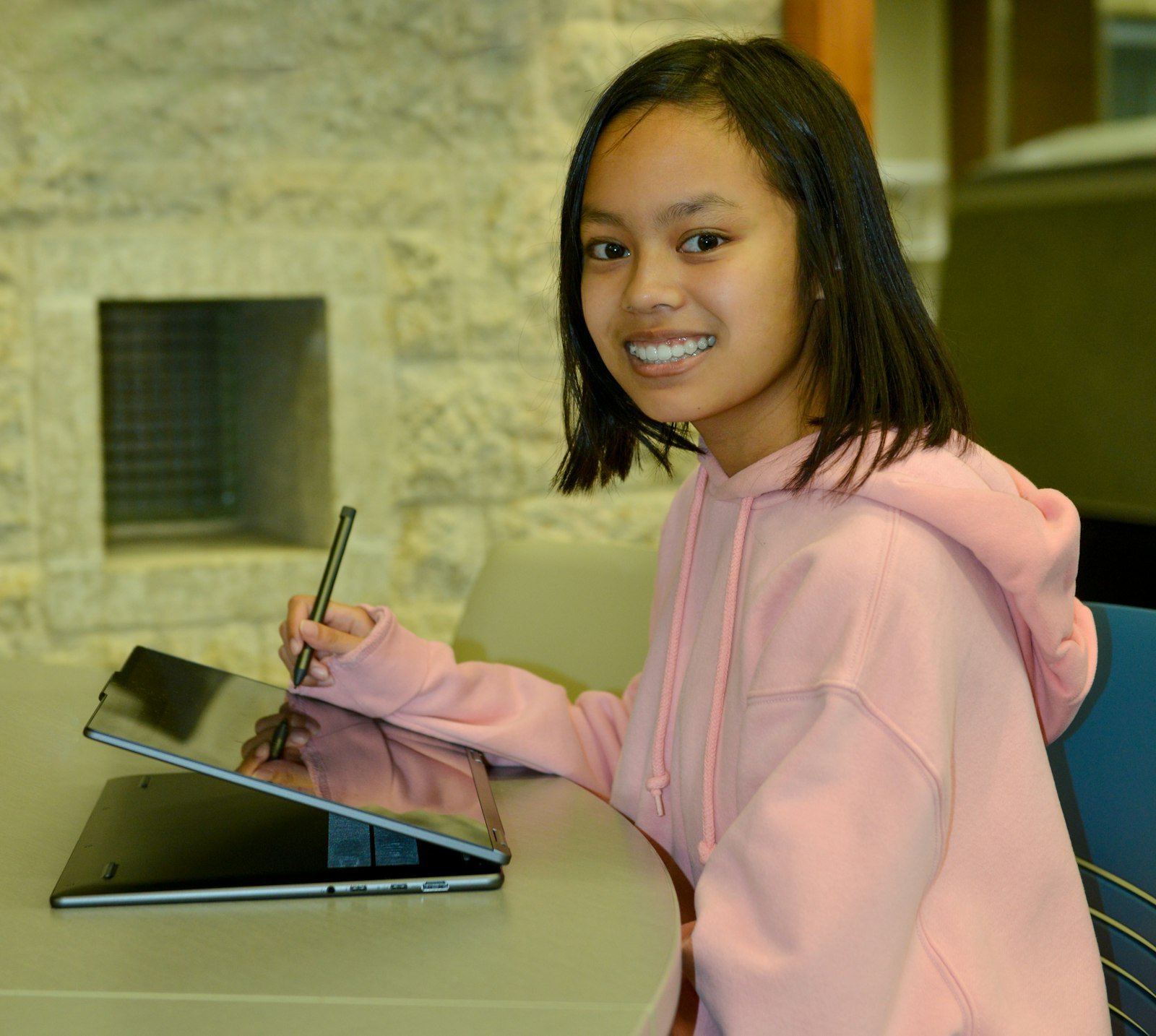
For Geography, avoid relying only on memorised definitions or copied answers. Encourage the child to retrieve key ideas, use them in a fresh example and explain the result in their own words. If a mistake occurs, identify whether the difficulty came from misunderstanding the instruction, missing background knowledge or rushing. Correct the specific gap and then try a parallel task.
Parents can support this process by keeping school books available, protecting a regular study time and asking the child to share one thing learned. Praise effort, careful thinking and willingness to correct errors. If homework is consistently difficult, share the teacher’s instructions or recent work with the tutor so that support remains aligned with classroom expectations.
Different schools and boards may use different textbooks, terminology and chapter order. Before lessons begin, confirm the board, school text, current chapter and assessment expectations. Where a topic is not part of the child’s prescribed course, treat it as enrichment rather than presenting it as a required exam topic. Accuracy and curriculum alignment are essential.
People and settlements
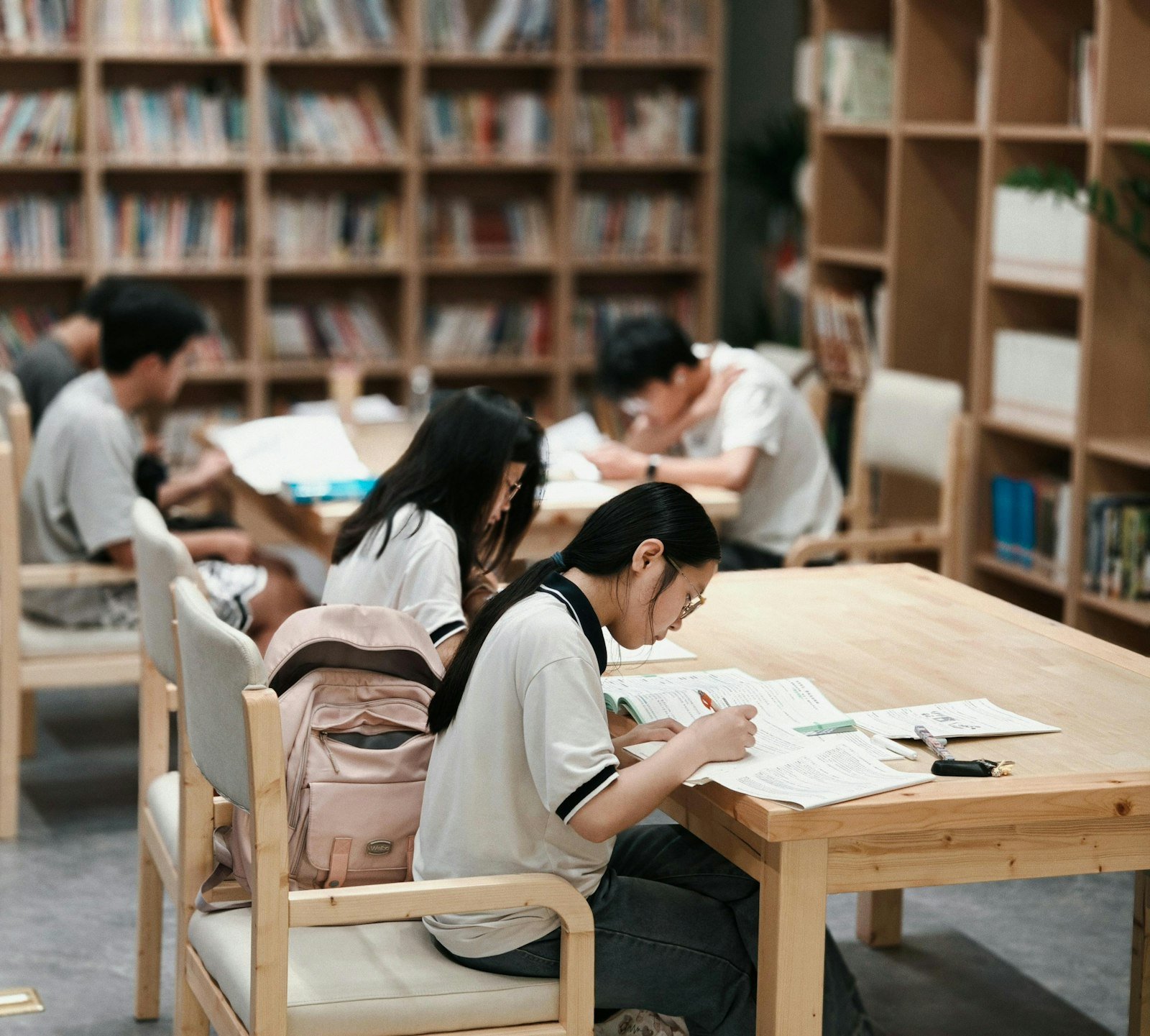
A tutor can monitor progress through short oral questions, notebook samples, practical tasks and periodic review. Record what the learner can do without help and which prompts are still needed. This makes feedback concrete for parents and helps the next lesson focus on a manageable target. Do not compare children with one another; compare current work with the learner’s own earlier attempts.
The amount of practice should match the learner’s attention and workload. Short, focused tasks are often more productive than long repetitive worksheets. Mix oral recall, reading, written work, observation and creative application where appropriate. Revisit important skills after a few days to check retention and adjust the difficulty when the learner is ready.
Class 4 learning in Geography should begin with the learner’s current school material and a short diagnostic activity. The tutor can ask the child to describe a familiar example, complete a small task and explain the thinking behind it. This reveals whether the learner needs vocabulary support, a clearer model, more guided practice or an opportunity to apply a skill independently. The lesson should follow the prescribed textbook and school sequence.
Natural resources

Parents can support this process by keeping school books available, protecting a regular study time and asking the child to share one thing learned. Praise effort, careful thinking and willingness to correct errors. If homework is consistently difficult, share the teacher’s instructions or recent work with the tutor so that support remains aligned with classroom expectations.
Different schools and boards may use different textbooks, terminology and chapter order. Before lessons begin, confirm the board, school text, current chapter and assessment expectations. Where a topic is not part of the child’s prescribed course, treat it as enrichment rather than presenting it as a required exam topic. Accuracy and curriculum alignment are essential.
A useful teaching sequence is demonstration, guided attempt, independent application and reflection. read a simple map key, describe location using directions and connect physical features with how people live. The tutor should keep instructions short, check understanding before moving forward and allow the learner enough time to respond. A new activity should build on a skill already introduced so that the child experiences steady progression rather than a series of disconnected tasks.
Environment and conservation

The amount of practice should match the learner’s attention and workload. Short, focused tasks are often more productive than long repetitive worksheets. Mix oral recall, reading, written work, observation and creative application where appropriate. Revisit important skills after a few days to check retention and adjust the difficulty when the learner is ready.
Class 4 learning in Geography should begin with the learner’s current school material and a short diagnostic activity. The tutor can ask the child to describe a familiar example, complete a small task and explain the thinking behind it. This reveals whether the learner needs vocabulary support, a clearer model, more guided practice or an opportunity to apply a skill independently. The lesson should follow the prescribed textbook and school sequence.
A neighbourhood map can identify roads, parks and services using symbols and a clear legend. The activity can be adapted to the child’s interests, available materials and school expectations. Ask the learner to explain what they noticed, what they tried and what they might change next time. These conversations develop language, reasoning and self-awareness alongside subject knowledge. Practical work should always be age-appropriate and supervised where necessary.
Map skills and simple projects

Different schools and boards may use different textbooks, terminology and chapter order. Before lessons begin, confirm the board, school text, current chapter and assessment expectations. Where a topic is not part of the child’s prescribed course, treat it as enrichment rather than presenting it as a required exam topic. Accuracy and curriculum alignment are essential.
A useful teaching sequence is demonstration, guided attempt, independent application and reflection. read a simple map key, describe location using directions and connect physical features with how people live. The tutor should keep instructions short, check understanding before moving forward and allow the learner enough time to respond. A new activity should build on a skill already introduced so that the child experiences steady progression rather than a series of disconnected tasks.
For Geography, avoid relying only on memorised definitions or copied answers. Encourage the child to retrieve key ideas, use them in a fresh example and explain the result in their own words. If a mistake occurs, identify whether the difficulty came from misunderstanding the instruction, missing background knowledge or rushing. Correct the specific gap and then try a parallel task.
Practice, feedback and confidence

Class 4 learning in Geography should begin with the learner’s current school material and a short diagnostic activity. The tutor can ask the child to describe a familiar example, complete a small task and explain the thinking behind it. This reveals whether the learner needs vocabulary support, a clearer model, more guided practice or an opportunity to apply a skill independently. The lesson should follow the prescribed textbook and school sequence.
A neighbourhood map can identify roads, parks and services using symbols and a clear legend. The activity can be adapted to the child’s interests, available materials and school expectations. Ask the learner to explain what they noticed, what they tried and what they might change next time. These conversations develop language, reasoning and self-awareness alongside subject knowledge. Practical work should always be age-appropriate and supervised where necessary.
A tutor can monitor progress through short oral questions, notebook samples, practical tasks and periodic review. Record what the learner can do without help and which prompts are still needed. This makes feedback concrete for parents and helps the next lesson focus on a manageable target. Do not compare children with one another; compare current work with the learner’s own earlier attempts.
Revision plan and parent support
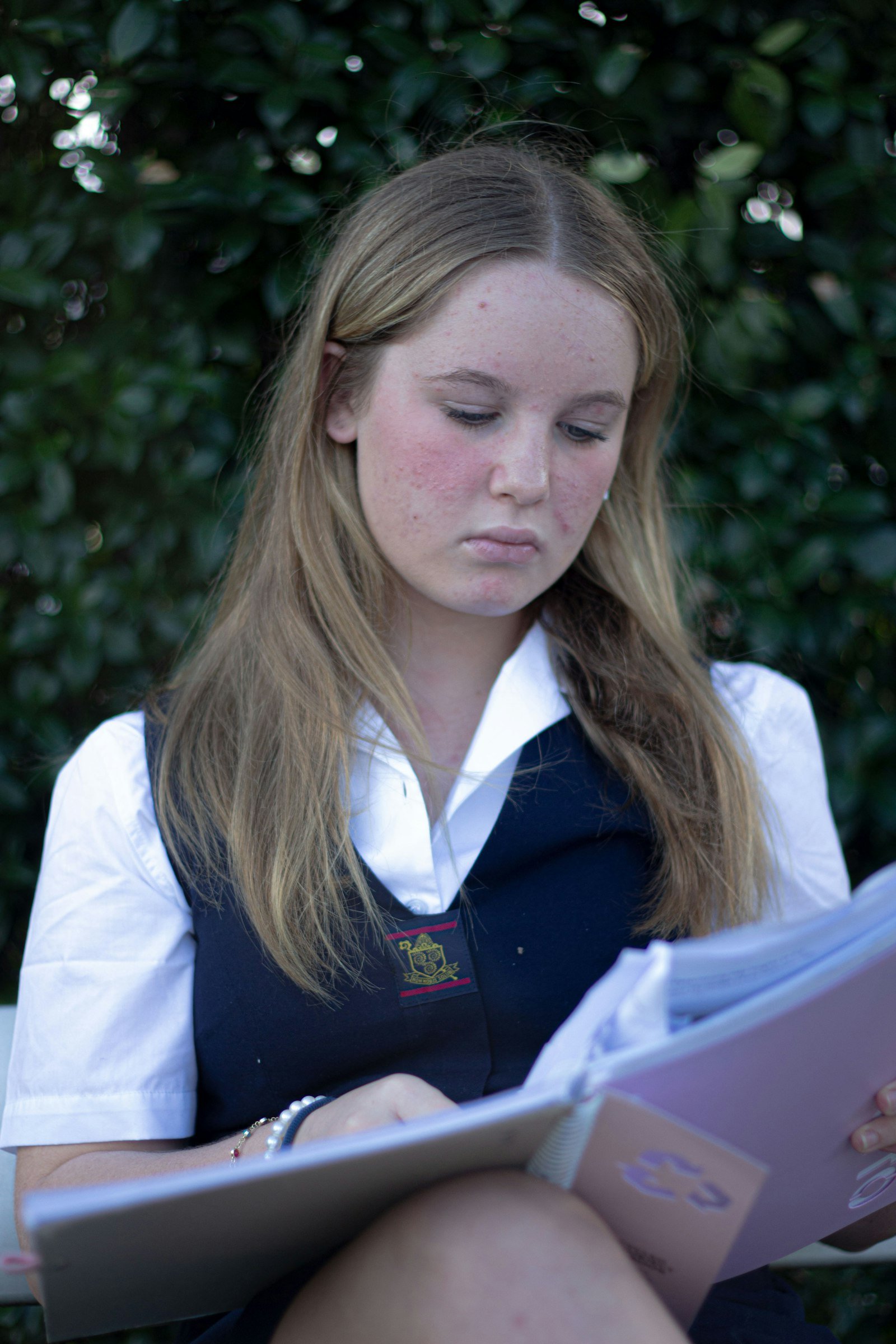
A useful teaching sequence is demonstration, guided attempt, independent application and reflection. read a simple map key, describe location using directions and connect physical features with how people live. The tutor should keep instructions short, check understanding before moving forward and allow the learner enough time to respond. A new activity should build on a skill already introduced so that the child experiences steady progression rather than a series of disconnected tasks.
For Geography, avoid relying only on memorised definitions or copied answers. Encourage the child to retrieve key ideas, use them in a fresh example and explain the result in their own words. If a mistake occurs, identify whether the difficulty came from misunderstanding the instruction, missing background knowledge or rushing. Correct the specific gap and then try a parallel task.
Parents can support this process by keeping school books available, protecting a regular study time and asking the child to share one thing learned. Praise effort, careful thinking and willingness to correct errors. If homework is consistently difficult, share the teacher’s instructions or recent work with the tutor so that support remains aligned with classroom expectations.
Weekly study routine and lesson structure
A balanced routine should fit around school, rest, play and family commitments. Begin with one clear learning goal for each lesson and decide how the child will demonstrate understanding. A session can include a short recap, explanation of a new idea, guided activity, independent practice and a brief review. The tutor should adapt the pace to the child’s response rather than trying to complete a fixed number of pages.
Keep a simple record of topics covered, tasks completed, questions that remain and the next step. Revisit earlier learning at intervals so that the child retains it. If school homework or assessment feedback identifies a new gap, update the plan. A realistic schedule that the child can follow consistently is more useful than an overloaded timetable.
Progress checks and parent communication
Progress can be seen when the learner explains an idea more clearly, completes a task with fewer prompts, uses vocabulary accurately or applies a skill to a new example. Ask for specific evidence rather than a general statement that the child is doing well. A useful update identifies a strength, a recurring difficulty and one achievable target for the next lesson.
Marks provide one form of feedback, but they do not capture every part of learning. Confidence, participation, accuracy, curiosity and independent effort also matter. If improvement is slower than expected, review lesson attendance, practice opportunities, task difficulty and curriculum alignment. Adjust the approach using evidence and keep feedback supportive.
Online learning setup and child safety
Prepare a quiet, well-lit study space, stable internet, the correct textbook and basic stationery. Younger learners may need adult help to join a session and organise materials. Use age-appropriate screen breaks and follow safe device practices. The tutor should invite the child to speak, write, read, draw or demonstrate a task during the lesson instead of relying on passive video watching.
Parents should understand the communication process, attendance expectations and how learning feedback is shared. Children should not share passwords, home addresses or private information in class chats. The learning platform should be used with appropriate adult supervision and the device should be positioned comfortably.
Frequently asked questions about Class 4 Geography tuition
What should the first lesson cover?
It should review the child’s school syllabus, textbook and current understanding. A short diagnostic activity helps identify the most useful starting point.
How many lessons are needed each week?
That depends on the learner’s needs, school workload, attention and goals. Agree on a manageable schedule after an initial discussion rather than assuming one fixed frequency suits everyone.
How can parents support learning?
Provide the school material, encourage a consistent routine and ask the child to explain one idea after the lesson. Share school feedback with the tutor when it affects the learning plan.
Can tuition guarantee marks?
No responsible tutor can guarantee a particular score. Outcomes depend on the learner’s starting point, attendance, effort, practice and assessment conditions.
Which curriculum should the tutor follow?
The child’s actual school curriculum and teacher guidance should take priority. For CBSE information, consult the official CBSE website; families following other boards should use the relevant official curriculum resources.
Enquire about online tuition with The Infinity Home Tuitions
To discuss an online Geography tutor for Class 4, share the student’s board, school textbook, learning goals, current topics and preferred lesson format. The Infinity Home Tuitions offers online one-to-one and group live learning options. Visit the official website, explore The Infinity live learning platform or download The Infinity app.
Call or WhatsApp 8872180500 to discuss suitable tuition options. Share the class, subject, board, city and preferred schedule so the enquiry can be understood clearly. No particular academic result is guaranteed; the focus is on structured instruction, practice and feedback.