Searching for Class 12 Accountancy home tuition in Chandigarh? Students often need more than memorised formats: they need to understand why an accounting treatment applies, organise working notes, calculate accurately and present answers clearly under time pressure. The Infinity Home Tuitions helps families discuss subject-specific tuition requirements and suitable learning arrangements based on the student’s class, board, current syllabus, locality and timetable.
This guide explains how students can strengthen Class 12 Accountancy, what effective tuition should include, how parents can compare options in Chandigarh and how to build a practical revision routine. Syllabus details can change, so always confirm chapter coverage and assessment instructions against the current official curriculum and your school’s guidance.
1. Why Class 12 Accountancy needs regular, independent practice
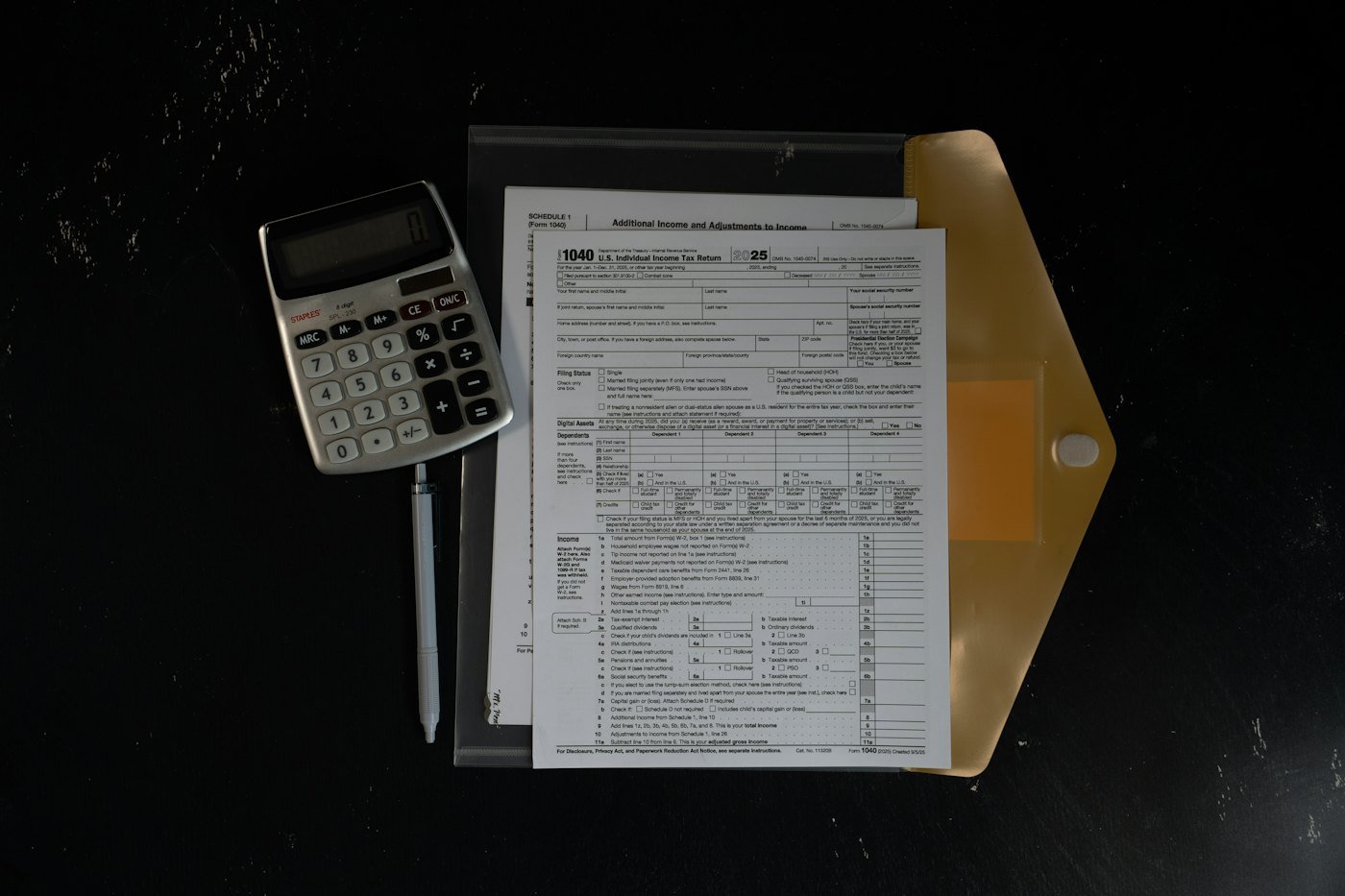
Accountancy combines concepts, classification, calculations and presentation. A student may understand a worked example while watching a teacher but struggle to choose the right method when the question is presented differently. That is why independent practice is essential. Students should attempt a question first, explain their reasoning, compare the result with reliable course material and identify exactly where a mistake occurred.
Accountancy topics also build on one another. A misunderstanding about a basic treatment, ratio or format can affect later questions. Revisiting the underlying concept is often more effective than repeatedly copying a complete solution. Students should learn what each entry or figure represents and how it connects to the transaction or requirement in the question.
A useful routine includes short concept reviews, focused problem-solving, correction of errors and a later attempt without looking at the solution. Keep the work manageable and consistent with school assignments. The aim is to improve understanding and accuracy, not simply to complete the largest possible number of questions.
2. Check the current CBSE syllabus and your school’s requirements

Before building a study plan, confirm the current Class 12 Accountancy syllabus and the instructions issued by the school. Depending on the prescribed course and examination session, students may study partnership accounts, company accounts, financial statement analysis and cash-flow-related topics. Do not assume every topic, subtopic or assessment requirement remains unchanged from a previous year.
Use the official CBSE Academic website for relevant curriculum and assessment resources, and check school instructions for the prescribed textbook, chapter sequence and internal deadlines. Where an official sample paper or marking scheme is available for the correct session, use it to understand the question style and expected response format.
Create a checklist with three statuses: confident, developing and needs support. A topic should be marked confident only when the student can solve suitable questions independently and explain the method. Reading a chapter or watching a lesson is a useful starting point, but it is not evidence on its own that the skill can be applied.
3. Learn the logic behind accounting treatments

Students can lose marks when they memorise a rule without understanding the transaction behind it. Before selecting a treatment, identify what has happened, which accounts or figures are affected and what the question asks you to prepare. Then connect the relevant concept to the facts provided. This is more reliable than choosing a format because it looks similar to a previous question.
When a treatment is confusing, start with a simpler example and explain the reasoning in plain language. Ask: What does this figure represent? Why does it belong here? Which condition in the question changes the treatment? After understanding the example, close the notes and solve a related question independently.
Do not rely on a single memorised shortcut where the prescribed method requires a particular sequence or working note. Follow the teacher’s instructions and the course material. If different resources appear to give conflicting guidance, ask the subject teacher to clarify which treatment is expected for the current syllabus.
4. Improve formats, working notes and presentation

Use the format prescribed by your teacher and current course material. Headings, dates, particulars, amounts and totals should be clear enough for another person to follow. Where working notes are expected, show the calculation rather than leaving the reader to guess how a figure was derived. Clear working also helps students identify the exact step where an error occurred.
For journal entries or similar tasks, ensure that the accounts and amounts reflect the underlying transaction. For statements, check that totals and subtotals agree and that adjustments have been carried to the correct place. Do not assume that a figure has been transferred correctly simply because the original calculation was right.
Practise presentation during ordinary homework, not only before an examination. After checking a solution, rewrite one unclear section neatly and note the specific improvement. A consistent layout reduces avoidable mistakes and makes it easier to review a complete answer under time pressure.
5. Practise partnership-account questions systematically

Partnership-account questions can contain several adjustments. First identify the event or change being recorded and the relevant rule taught in the course. Organise the information before calculating. If the question involves ratios, capital balances, goodwill or a change in partners, write the relevant relationship clearly and confirm that it matches the facts given.
Use a consistent sequence: read the requirement, list the information, select the treatment, calculate carefully, present the required account or statement and verify the totals. If there are multiple adjustments, tick them off as they are completed so that none is omitted or applied twice. Do not assume that a treatment from another question applies unless the conditions are the same.
After checking a solution, close the book and explain why each major adjustment was made. Then try a similar problem independently. If you can follow a worked example but cannot start a fresh question, practise identifying the relevant concept and the first step before attempting the full calculation.
6. Strengthen company-accounting and financial-statement skills

For company-accounting questions, pay close attention to the transaction, the information supplied and the prescribed format. Write calculations clearly, label the figures and confirm that each item has been treated according to the method taught for the current syllabus. If a question includes several stages, complete them in an organised order and keep working notes readable.
For financial-statement analysis and cash-flow-related topics, understand what each figure represents and how the question asks it to be classified or interpreted. Avoid memorising a classification without understanding the context. When unsure, revisit the prescribed material and teacher’s explanation because a small misunderstanding can affect multiple parts of the final answer.
Once individual formats are understood, use mixed practice. Mixed questions encourage students to identify the relevant approach from the information given instead of being told which chapter to use. After each attempt, record the reason for any error and revisit weak formats after a short interval.
7. Identify and correct recurring mistakes

When an answer is wrong, do not immediately copy the correct solution. Find the first step that went wrong. Was the concept misunderstood? Was the wrong format selected? Was a figure placed in the wrong column? Did an arithmetic or transfer error occur? Or did the student miss a condition in the question? Each cause needs a different response.
Create a concise error log with the topic, error type, corrected reasoning and a date to retry a similar question. For a conceptual error, revisit the explanation and work through a simpler example. For a format error, reproduce the structure and explain what each heading means. For arithmetic, check each calculation and transferred amount. For question-reading errors, practise identifying the required output before beginning.
Review the log once a week and select a few recurring issues. Redo those questions without looking at the solution. If the same error remains, ask the teacher or tutor to explain the underlying concept rather than simply assigning a larger set of similar problems.
8. Build a practical weekly Accountancy routine

A balanced weekly plan can include a concept-review session, focused problem-solving blocks, a short correction session and a mixed set later in the week. Adjust the schedule to the student’s workload and current weaknesses. The purpose is regular retrieval and independent practice, not filling every day with long sessions.
At the start of the week, select the chapters or formats that need attention and set a concrete target. “Practise three questions on this format and review every error” is more useful than “study Accountancy for two hours.” During practice, attempt the work before consulting a solution. After checking, record recurring errors and schedule a later retry.
At the end of the week, ask which concepts are now easier, which errors still repeat and what should be practised next. If the student can solve a question accurately and explain the method, move it to occasional revision. If the student still depends on a worked example, return to guided practice and gradually remove prompts.
9. Prepare for timed practice and board examinations

Timed practice helps students learn how to allocate attention across a paper, but it works best after they have developed a reasonable grasp of the underlying concepts. Start with selected questions and build towards a longer practice paper when appropriate. Follow the instructions and time guidance supplied by the school or relevant examination resources.
After a timed attempt, do not judge it only by the total score. Check whether time was lost because the student misunderstood the requirement, could not choose the correct treatment, calculated slowly, wrote unclear working or spent too long on one question. Practise the specific problem before attempting another full paper.
Use the current official syllabus and sample-paper resources when available. They help students become familiar with the assessment style but do not guarantee that the same questions will appear. The student’s school instructions and prescribed course materials remain important references. Protect adequate sleep and breaks during exam preparation; late-night cramming is not a substitute for steady practice.
10. What effective Class 12 Accountancy tuition should include

Effective support starts by identifying the student’s actual difficulty: concept confusion, choosing the right format, calculation errors, incomplete working or time management. Lessons should then combine explanation, a worked example, a student attempt, specific correction and a manageable follow-up task. Progress should be measured through improved accuracy and fewer repeated errors, not just the number of questions completed.
Ask whether the tutor will align lessons with the current school syllabus, explain the reasoning behind treatments, provide practice at an appropriate level and review mistakes in later lessons. The student should be doing the thinking and solving, not watching the tutor complete every answer. Independent work between lessons is essential for turning explanation into a usable skill.
One-to-one tuition may suit a student who needs targeted attention, flexible pacing or focused doubt-solving. Online tuition may be practical where travel or schedule is a concern. The right format depends on the learner’s needs, home environment, availability and preferred way of working. Confirm the actual schedule, fees, lesson duration and support arrangements before booking.
11. Questions Chandigarh parents should ask before booking

For home tuition in Chandigarh, discuss the student’s exact locality and practical travel arrangements before finalising a schedule. Ask how the tutor will work with the school’s pace, what happens if a lesson is missed and how progress will be communicated. Clarify whether practice material, homework review and follow-up doubt support are included, and confirm all terms directly before booking.
Ask how the tutor diagnoses a learning gap and how you will know whether the support is helping. A useful answer should describe a process: initial discussion or diagnostic questions, targeted teaching, independent practice, review of mistakes and regular progress checks. Be cautious of promises guaranteeing a particular score; no provider can control every factor affecting exam results.
Parents can support learning without teaching every concept themselves. Help the student protect practice time, organise notes and review deadlines. Ask the student to explain one method or show how an error was corrected rather than checking every entry for them. If the same issue persists, share a few examples with the subject teacher or tutor so the next lesson can be targeted.
12. Accountancy readiness checklist before an assessment

Before an assessment, check that you can explain the core concepts, select the appropriate treatment from a question, use the required format, show working notes where needed and verify totals. Practise a mixture of familiar and less familiar questions so you learn to recognise what the problem requires. Review your error log and redo the questions that previously caused difficulty.
Check the current syllabus, school instructions and any official sample-paper guidance relevant to the examination session. Keep notes concise and organised so you can locate the right concept quickly. During the exam, read each question carefully, allocate time sensibly and leave a brief period to check arithmetic, transfers, labels and whether all parts have been answered.
After a test, use feedback to plan the next practice cycle. Identify the biggest source of lost marks and choose a targeted action. This continuous process—understand, practise, check, correct and revisit—builds stronger accounting skills than memorising solutions alone.
Frequently asked questions about Class 12 Accountancy tuition

Is Class 12 Accountancy tuition useful if I understand theory but lose marks in sums?
Targeted practice and review of working notes, formats and calculation errors may help identify where marks are being lost. The student should still attempt questions independently between lessons.
Can I request tuition for selected chapters only?
Share your syllabus, current chapters and priorities with the tuition team. The available arrangement, tutor suitability and schedule need confirmation before booking.
Will a home tutor guarantee a high score?
No responsible provider can guarantee marks. Outcomes depend on the student’s prior understanding, attendance, independent practice, feedback and assessment conditions.
How often should I practise Accountancy?
Use a schedule you can sustain alongside school and other subjects. Short, regular practice with correction and later review is generally more useful than leaving all problem-solving until the day before a test.
What should I share before the first lesson?
Share the class, board, current syllabus, chapters being studied, recent test feedback, difficult question types and preferred schedule. This helps the tutor understand the student’s needs before planning support.
Enquire about Class 12 Accountancy home tuition in Chandigarh

If the student needs help with accounting concepts, formats, calculations or exam preparation, contact The Infinity Home Tuitions to discuss a suitable learning arrangement. Share the student’s class, board, current chapters, preferred timing and the topics causing difficulty so the enquiry can focus on practical needs.
Call or WhatsApp: 8872180500. Explore The Infinity Live learning platform, our CBSE Class 12 online tuition and one-to-one online tuition. You can also download The Infinity app or follow the .
For curriculum and assessment information, consult the official CBSE Academic website and follow your school’s current instructions. Confirm tutor availability, fees, schedule and class format directly before booking.