Class 9 Social Science becomes easier to prepare when students organise History, Geography, Political Science and Economics into a clear routine. This CBSE Class 9 Social Science study plan for 2027 combines chapter tracking, active recall, map practice, answer writing and a practical revision timetable. Use it with the books and instructions prescribed by your school, and verify the current syllabus before deciding which chapters or map items to prioritise.
The aim is not to memorise every paragraph. Students should understand the main ideas, recall important facts accurately, connect concepts to examples and write answers that directly address the question. Short, regular sessions make it easier to manage Social Science alongside Maths, Science, English, Hindi and other school responsibilities.
For current curriculum information, consult the official CBSE Academic website and your school’s latest instructions.
Check the syllabus and make a checklist

Start with the syllabus and instructions issued by your school for the 2026–27 session. Class 9 Social Science commonly covers History, Geography, Political Science and Economics, but the exact prescribed chapters, assessment details and map requirements should be confirmed with your teacher and the current official curriculum. Make a checklist of each chapter, textbook exercise, key term, map task and practice question. Mark items as not started, learning, practised or revised. This prevents you from repeatedly revising familiar chapters while leaving other areas untouched. Consult the official CBSE Academic website and your school’s latest circulars rather than assuming an older guide matches the current year.
Understand the four disciplines

Social Science is not one uniform subject. History asks you to explain events, causes, change and consequences; Geography connects physical processes, places, resources and human activity; Political Science explores institutions, democracy, rights and participation; Economics examines resources, livelihoods and development concepts. Match your revision method to the discipline. Use timelines and cause-effect chains for History, maps and labelled diagrams for Geography, concept comparisons for Political Science, and definitions with examples for Economics. Across all four areas, focus on explaining relationships rather than memorising isolated sentences. Connecting a concept with an accurate example makes answers clearer and helps you apply knowledge to unfamiliar questions.
Build a realistic weekly timetable

Plan five or six focused sessions each week, with shorter sessions on busy school days. A 45-minute session might include 25 minutes learning a chapter, 10 minutes closed-book recall and 10 minutes answering textbook questions. Rotate the four disciplines so none disappears from your routine for several weeks. Reserve one weekly session for map practice, key terms and error review. On weekends, attempt a short mixed quiz or a timed answer-writing exercise. Adjust the schedule to your actual workload; consistency matters more than following a rigid plan that leaves you exhausted. Keep one tracker for completed chapters and another for mistakes that still need attention.
Study History with timelines

For each History chapter, create a timeline of major events and place them in the correct sequence. Organise notes around background, causes, key developments, important people or groups, consequences and historical significance where those elements apply. Distinguish long-term causes from immediate triggers and avoid treating events as disconnected facts. Practise explaining why an event happened and what changed afterward. A useful answer links a point to a specific event or example from the textbook. Do not add details from unrelated historical periods simply because they seem relevant. Keep dates when they are important to the prescribed content, and use timelines to clarify sequence rather than memorising every date without context.
Write analytical History answers

When a question asks for reasons, explain the mechanism behind each reason. When it asks for consequences, identify what changed and who was affected. For comparison questions, use clear dimensions such as leadership, aims, methods or outcomes, but only where the chapter supports that comparison. A short planning outline before writing can prevent repetition. Use the textbook’s terminology accurately and support general claims with a specific example. After writing an answer, check whether every sentence contributes to the question. Rewriting one weak answer with clearer cause-and-effect links can teach more than copying several model answers without analysing them.
Prepare Geography with maps and visual notes

Geography is easier to revise when spatial information is visible. Use maps, labelled sketches, tables and simple process diagrams where appropriate to the prescribed chapter. For a physical process, arrange the steps in order and explain how one step leads to the next. For a resource or region, note its characteristics, distribution, uses and relevant challenges as covered in your textbook. Practise locating and labelling places only when they are included in your school’s current map-work requirements. Keep map practice neat and accurate, and check labels against the textbook or teacher-provided map. Do not assume every older map list is required in the 2027 assessment.
Connect Geography concepts to examples

For each important term, write a plain-language definition and one textbook-based example. When studying climate, landforms, resources, population or human-environment relationships, ask what the concept means, where it applies and why it matters. Diagrams should be labelled and should clarify a process rather than decorate the page. For comparison questions, make a two-column table before converting the points into sentences. Be careful with scale, directions and place names in map tasks. If a diagram or map confuses you, redraw it from memory and then check it against the source. This develops recall while revealing missing labels or misunderstood relationships.
Revise Political Science through concepts

For each Political Science chapter, identify the central concept, its purpose, how it operates and examples used in the prescribed text. Create comparison tables for concepts that are easy to confuse. If the chapter discusses democratic institutions, rights, participation or constitutional principles, explain both the definition and its practical significance using examples grounded in the textbook. Avoid writing broad personal opinions in place of course content. For a question asking why a rule or institution matters, connect the principle to the role it plays. Practise explaining the concept aloud in your own words, then write a concise answer that includes the key terms your teacher expects.
Learn Economics with everyday examples

Economics concepts become clearer when you link the textbook definition to a relevant example. Build a glossary of important terms and review it regularly. For each concept, write a definition, one example and a note about how it differs from a related concept. Use tables to compare categories and simple diagrams only where they help explain a relationship. When a question asks you to explain a situation, identify the economic idea involved and show how the example illustrates it. Avoid using a memorised definition without applying it to the question. Keep examples accurate and appropriate to the prescribed chapter; a simple, relevant example is better than an elaborate but unrelated one.
Practise map work little and often

If map work is part of your current course requirements, practise in short sessions throughout the year instead of postponing it until exam week. Keep a dedicated map notebook or folder and use maps recommended by your teacher. First learn a location, then practise marking it without looking, and finally check accuracy. Use clear labels and follow the directions or conventions taught at school. Separate physical features from political boundaries or other categories where required. Maintain a list of frequently confused locations and review those first. Confirm the exact map items for the current session; never rely on a list from an old examination year without checking it.
Use active recall instead of only rereading
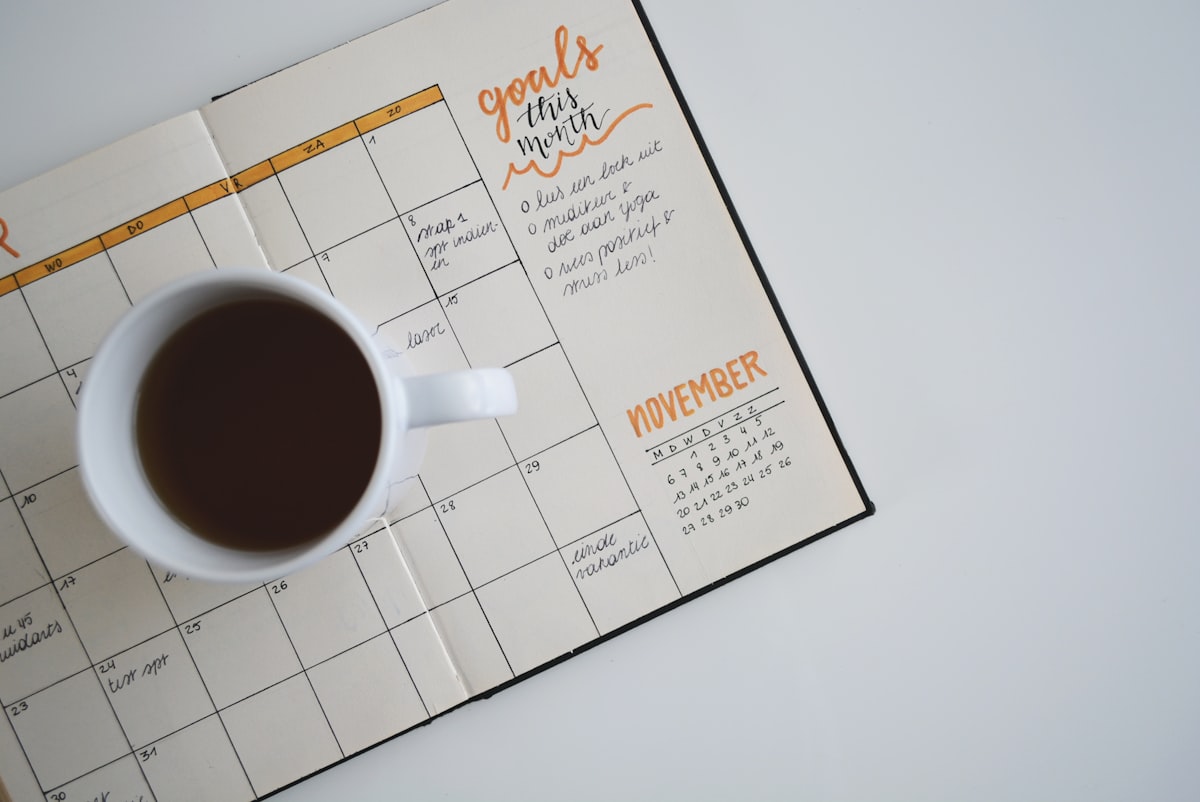
After finishing a section, close the book and write five key points from memory. Explain the main idea aloud, draw a timeline or diagram, or answer a short question without notes. Then reopen the textbook to check what was missing or inaccurate. This method identifies gaps that passive rereading can hide. Use flashcards for definitions, important names and key terms, but do not reduce every chapter to isolated cards. Larger concepts require explanation and connections. Revisit difficult material after a day or two, then again the following week. Mark topics that still require help and use the next study session to address those specific gaps.
Write structured answers

Underline the command word and key subject in each question. A question asking you to list needs a different response from one asking you to explain, compare or give reasons. Start with a direct answer, organise points logically and add relevant evidence or examples from the textbook. Use paragraphs or numbered points when they improve clarity and suit the task. Do not pad an answer with unrelated facts, and do not write an entire chapter when the question asks for a specific concept. After completing an answer, check whether each point responds directly to the question and whether any key part has been omitted.
Plan a 12-week revision roadmap

Weeks 1–2: check the syllabus, collect prescribed materials and complete a short diagnostic quiz across all four disciplines. Weeks 3–5: work through assigned History and Geography chapters, using timelines, diagrams and map practice where required. Weeks 6–7: revise Political Science and Economics concepts, definitions and examples. Weeks 8–9: mix topics across the four areas and practise written responses. Week 10: complete a timed practice paper or teacher-approved assessment. Week 11: analyse errors, revisit difficult chapters and correct incomplete answers. Week 12: revise the chapter tracker, map requirements, key terms and short notes. If your examination is sooner, prioritise syllabus areas that remain incomplete and mistakes that repeatedly cost marks.
Follow a weekly subject rotation

A balanced rotation could be Monday for History, Tuesday for Geography, Wednesday for Political Science, Thursday for Economics, Friday for map work and definitions, and Saturday for mixed questions and answer writing. Use Sunday for a light review or rest, depending on school deadlines. Each session should have a clear output: a timeline, completed map, glossary page, comparison table or answered questions. This makes progress measurable. If a subject has a test coming up, temporarily give it more time while keeping short revision sessions for the others. Do not let the timetable replace school-assigned work; use it to organise and revisit that work.
Keep an error log
Record mistakes by discipline and type: incorrect fact, confused concept, incomplete explanation, missing example, map error or poor time management. Write the corrected point and a reminder about how to avoid repeating the mistake. Reattempt the question a few days later without checking the answer first. If you repeatedly confuse two terms, write a direct comparison table. If your answers are vague, practise adding one specific example. Review the error log weekly and choose the next practice task from it. The purpose is not to collect mistakes; it is to close the knowledge gap that caused each mistake.
Avoid common preparation mistakes
Do not memorise paragraphs without understanding concepts, skip map practice until the end, or assume all four disciplines can be revised in the same way. Avoid copying lengthy notes that you never test yourself on. Do not mix facts from different chapters or add unsupported examples. Do not rely on an old syllabus, sample paper or map list without checking current school instructions. Avoid judging readiness only by hours studied. A better measure is whether you can recall key points, explain a concept, interpret a map or diagram and write a focused answer independently. When you get something wrong, use the error to decide what to practise next.
How parents and tutors can help
Parents can support the student by protecting a regular study period, checking that the chapter tracker is being used and asking the student to explain a concept in their own words. A tutor can identify whether the difficulty is factual recall, conceptual understanding, map skills, answer structure or examination timing. Effective support includes asking follow-up questions, checking written answers and gradually reducing prompts as the student becomes more independent. Review progress every two weeks using short quizzes and a few comparable written questions. Avoid turning every study session into a high-pressure test; constructive feedback and a steady routine make it easier for students to identify and fix gaps.
Use reliable study resources
Use prescribed textbooks and school notes as the foundation. Check the official CBSE Academic website for curriculum and assessment-related material relevant to the current academic session, and ask your teacher which sample papers or practice tasks are appropriate. Organise notes by chapter and discipline so revision is easy to navigate. Use online videos or extra guides only when they explain a concept that remains unclear, and return to the textbook to confirm course-specific details. Collecting many resources without completing questions can create an illusion of progress. Choose a small set of reliable materials and use them actively.
Final checklist before the examination
Before the test, verify that every prescribed chapter has been reviewed and that you can recall its main ideas without notes. Check History timelines and cause-effect links, Geography diagrams and any required map items, Political Science concepts, and Economics definitions with examples. Practise questions using command words carefully and leave time to check answers. Review your error log rather than rereading every page equally. Confirm the exam timetable and follow school instructions for stationery and permitted materials. The day before the examination, use short recall sessions and rest adequately. A calm, organised approach helps you read questions accurately and communicate what you know.
Frequently asked questions

How long should I study Social Science each day? Begin with 30–45 focused minutes on most days and adjust around schoolwork and tests. Should I memorise the textbook? Understand and recall key facts, terms and examples, but practise explaining relationships in your own words. How can I improve map work? Practise frequently using teacher-approved maps and verify the current list of required locations. Which subject should I study first? Start with the area that is least secure or has an upcoming assessment, then rotate all four disciplines. Are old sample papers enough? They can provide practice, but confirm that the syllabus and question pattern match your current session. What if I forget answers? Use closed-book recall, short written practice and spaced review, then correct gaps against the textbook.
Review a chapter in 20 minutes
Use a repeatable mini-review whenever you finish a chapter. Spend five minutes scanning headings and identifying the central idea, five minutes recalling key facts or terms without the book, five minutes answering two textbook questions, and five minutes checking and correcting your answers. For History, the recall task could be a timeline; for Geography, a labelled sketch or map; for Political Science, a concept explanation; and for Economics, a definition with an example. Write down one question you still cannot answer and bring it to your next class or tuition session. This quick cycle keeps revision active and helps you decide exactly what needs more attention.
Study support from The Infinity Home Tuitions
Students who need help understanding concepts, organising revision or practising written answers can explore The Infinity Home Tuitions and The Infinity Live Learning.
Prepare smarter with The Infinity
Explore home tuition and live learning support for school subjects, with options suited to the student’s learning needs.
Explore Home Tuition Explore Live Classes Download The Infinity App
Revision reminder: Check the current syllabus, practise each discipline in the right way, and use mistakes to guide the next study session.