CBSE Class 12 Physics online tuition is designed for students who need clear conceptual explanations, systematic numerical practice, derivation support, NCERT-focused preparation and individual guidance for school and board examinations. Physics becomes much easier when students learn how concepts, equations, diagrams and physical reasoning connect rather than memorising formulas in isolation.

CBSE Class 12 Physics Online Tuition with Personalised Learning
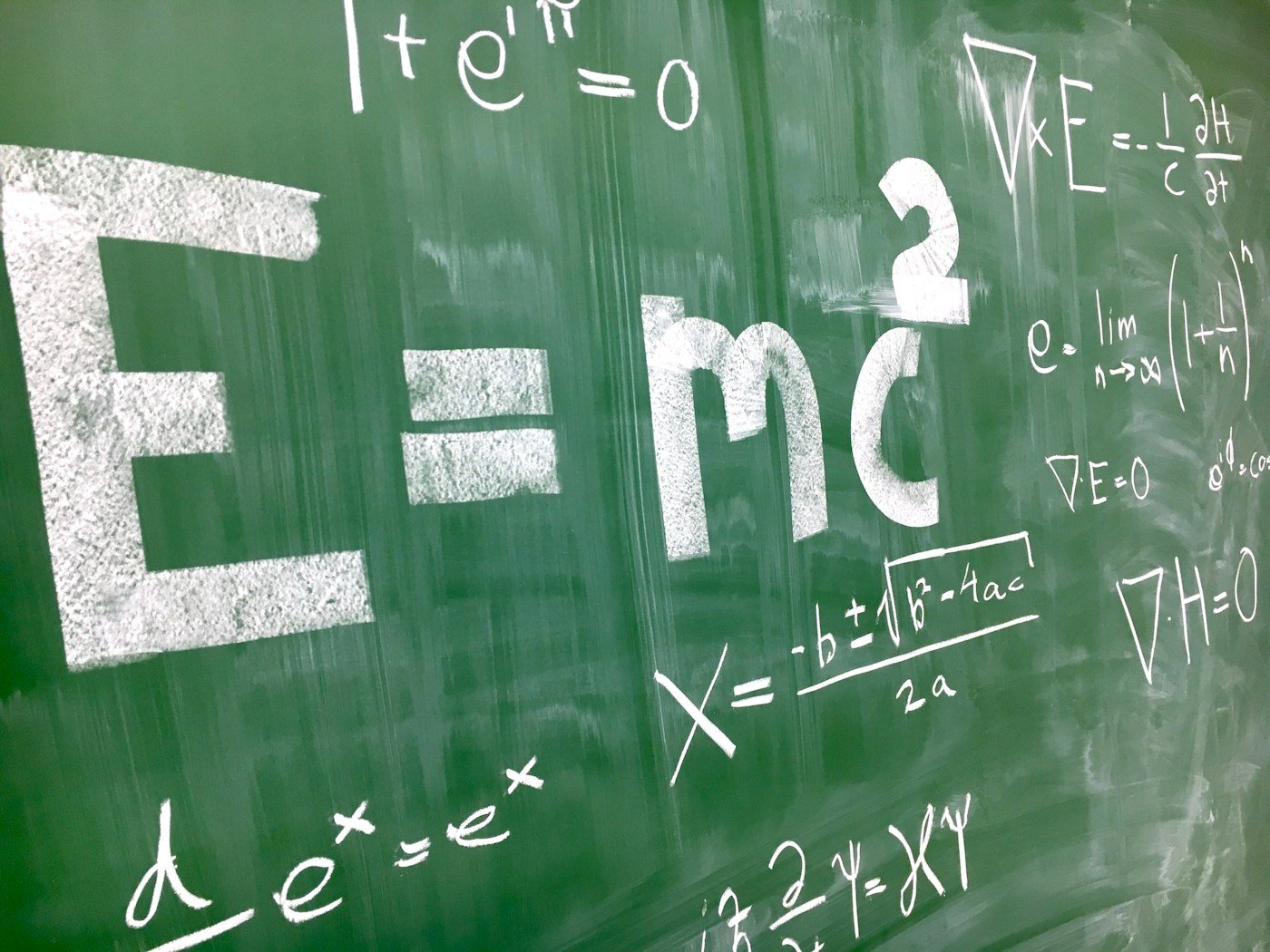
One-to-one live online tuition allows the tutor to adjust the pace according to the student’s understanding. A student who finds numericals difficult can receive additional problem-solving practice, while a student with strong fundamentals can spend more time on application-based questions and timed examination practice.
Each session can combine concept teaching, diagrams, mathematical relationships, worked examples, NCERT questions, doubts and revision. The objective is not simply to complete chapters, but to make students capable of explaining concepts and applying them correctly.
Why Class 12 Physics Requires Conceptual Understanding

Physics questions often combine conceptual knowledge with mathematical application. Students may know a formula but still lose marks because they choose the wrong relationship, use an incorrect sign, misunderstand a diagram or fail to explain the physical meaning of the result.
- Understand the physical idea before applying an equation.
- Identify the quantities given and required.
- Select an appropriate formula or principle.
- Substitute values with correct units.
- Check signs, dimensions and the reasonableness of the result.
- Present derivations and explanations in a clear sequence.
CBSE Class 12 Physics Topic Coverage
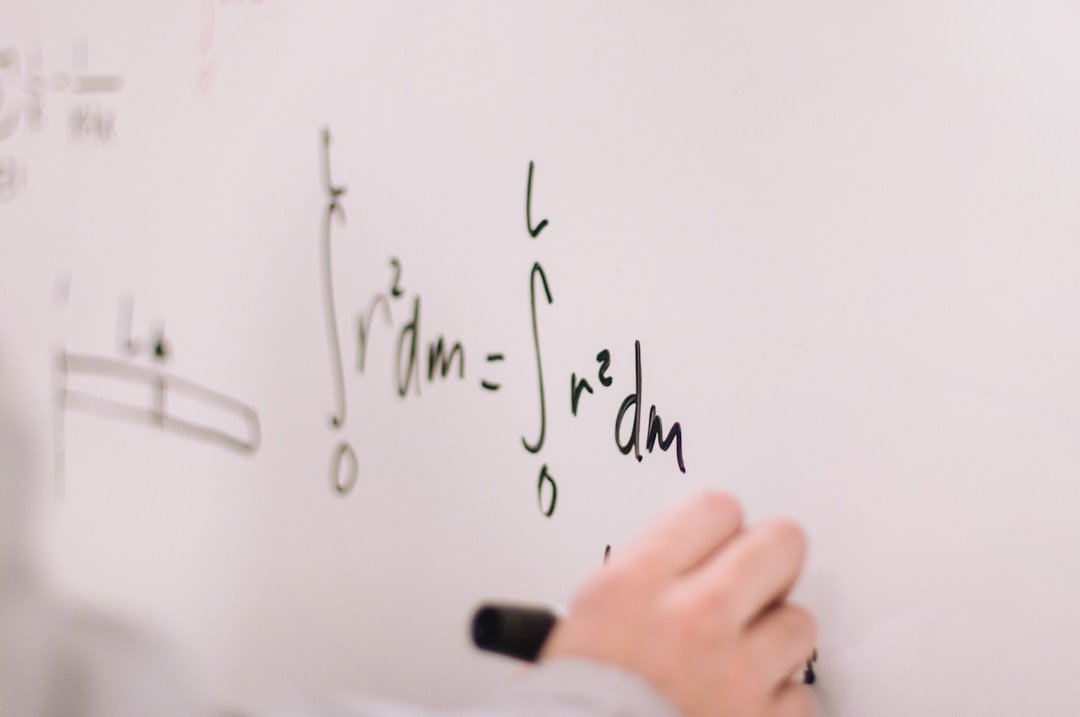
The exact CBSE curriculum should always be checked against the current official syllabus. Online tuition can be structured around the applicable Class 12 Physics curriculum and the student’s school schedule.
Electrostatics

Students can develop a systematic understanding of electric charges, fields, potential and capacitance. Practice can focus on field and potential relationships, standard applications, diagrams and numerical problem solving.
Current Electricity
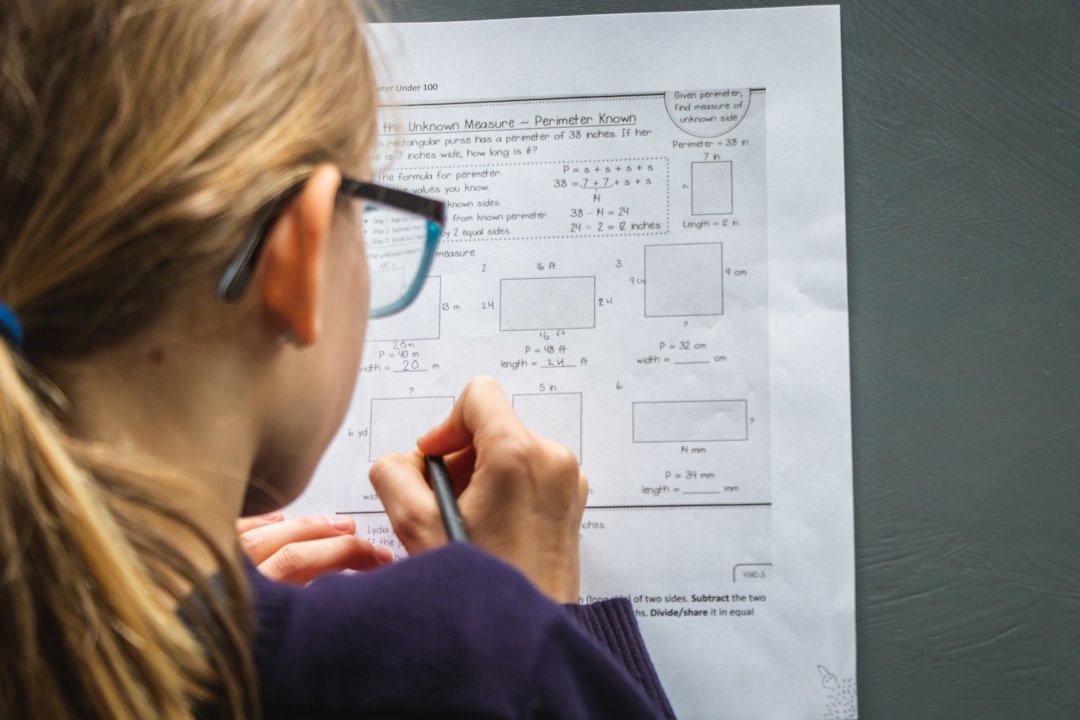
Current Electricity requires students to connect circuit concepts with quantitative calculations. Guided practice can cover resistance, combinations, electrical energy, circuit analysis and related numerical methods.
Moving Charges and Magnetism

Students can learn the relationship between moving charges and magnetic fields and practise applications involving forces, fields and particle motion. Diagram-based reasoning is especially useful in this area.
Electromagnetic Induction and Alternating Current

These topics require careful understanding of changing magnetic flux, induced effects and AC behaviour. Online tuition can use step-by-step derivations, graphical interpretation and numerical examples to make the concepts more manageable.

Electromagnetic Waves

Students can revise the characteristics, properties and applications of electromagnetic waves and learn how to answer conceptual questions using precise terminology.
Ray Optics and Wave Optics

Optics benefits from diagrams and structured problem solving. Students can practise ray diagrams, optical relationships and numerical applications while learning how to identify the information needed from a question.
Dual Nature of Radiation and Matter

Students can connect experimental observations with the relevant physical models and equations. Regular conceptual questions can help prevent purely formula-based learning.
Atoms and Nuclei

Online classes can cover important models, atomic phenomena, nuclear concepts and related numerical applications with emphasis on understanding the underlying ideas.
Electronic Devices

Students can learn semiconductor concepts, device behaviour and circuit-related applications through diagrams and concise revision notes, subject to the current applicable CBSE syllabus.
NCERT-Based Class 12 Physics Preparation

NCERT is an important foundation for CBSE Physics preparation. Tuition can use NCERT explanations and exercises as a base and then add targeted practice according to the student’s academic level.

Students should use the official NCERT website for current educational resources and the official CBSE website for current curriculum and examination information.
Numerical Practice in Class 12 Physics

Numerical solving should be taught as a process rather than as formula substitution. Students can practise reading the question, identifying known and unknown quantities, selecting the relevant principle, writing the equation, substituting correctly and checking the final answer.
Regular practice also helps students recognise recurring question structures. When a mistake occurs, the tutor can identify whether it came from concept selection, algebra, units, signs or arithmetic and then provide targeted corrective practice.
Derivations, Diagrams and Written Answers

Board examinations can require students to communicate Physics clearly. Students therefore benefit from practising derivations in logical steps, drawing appropriate diagrams and using correct scientific terminology.

One-to-one tuition provides an opportunity to review written solutions and improve presentation before examination conditions become stressful.
Board Exam Preparation for CBSE Class 12 Physics

A strong preparation plan should combine chapter completion with cumulative revision. Students can move from concept learning to question practice, then to mixed-topic tests and timed papers.
- Chapter-wise concept revision
- NCERT-based question practice
- Numerical problem sets
- Important derivation practice
- Diagram and graph practice where relevant
- Mixed-topic revision
- Timed examination practice
- Error analysis after tests
Physics Tuition for Different Learning Levels

Students with weak fundamentals

The tutor can revisit prerequisite concepts, explain the physical meaning of equations and build confidence through progressively harder examples.
Students with average preparation

The focus can be on systematic chapter completion, numerical accuracy, derivations and regular revision.
Students targeting high scores

After fundamentals are secure, students can work on mixed questions, application-based problems, timed practice, presentation and reducing repeated errors.
How One-to-One Online Physics Tuition Helps

Personalised tuition is useful because Physics difficulties are often specific. One student may struggle with vectors and mathematical manipulation, another with conceptual interpretation, and another with presenting derivations. Individual teaching allows the tutor to address the actual problem instead of following a fixed pace for everyone.
- Personalised teaching pace
- Live doubt solving
- Targeted numerical practice
- Concept and derivation clarification
- Regular revision
- Individual feedback on mistakes
Online Class 12 Physics Tuition Across India and Abroad

Live online tuition allows students to learn from home without travelling to a coaching centre. The Infinity Home Tuitions can support students in Chandigarh, Panchkula, Mohali, Zirakpur and other Indian locations, as well as students in Australia, Canada, the UK, USA and UAE, subject to suitable tutor availability and timings.

How to Start CBSE Class 12 Physics Online Tuition

- Share the student’s class, board and Physics requirements.
- Discuss difficult chapters, current academic level and target.
- Discuss preferred days and timings.
- Arrange a suitable online tutor.
- Begin live classes with a structured learning and revision plan.
Related CBSE Online Tuition Pages

Explore CBSE Class 12 online tuition, CBSE Class 12 Maths online tuition, CBSE Class 12 Chemistry online tuition, CBSE Class 12 Biology online tuition, online tuition for CBSE students and one-to-one online tuition.
Build a formula sheet that explains meaning, not just symbols
A formula sheet is useful when it supports understanding rather than becoming a page of symbols to memorise blindly. For each important relationship, note the physical quantities represented, their units, the conditions under which the equation applies and one example of a typical question. Students should still follow the current prescribed syllabus and teacher guidance when deciding which formulas and derivations require attention.
During revision, cover the formula and retrieve it from memory, then explain each symbol aloud. Next, solve a question without copying a worked example. If you choose the wrong equation, ask whether you misunderstood the concept, missed information in the question or confused two similar relationships. Record the reason and practise a related question later.
Keep the sheet concise and update it after practice. A long copied list may be hard to use, while a carefully organised reference can highlight connections between topics. The final goal is to select and apply the right relationship independently, not simply reproduce a formula when prompted.
Practise numerical problems with a repeatable method

For a numerical problem, begin by reading the complete question and listing the known quantities. Identify what must be found, convert units where necessary and choose the relationship that fits the physical situation. Write the formula before substituting values, show the calculation clearly and include the final unit where required.
After calculating, check whether the answer is physically reasonable. Revisit the units, signs, powers of ten and any assumptions used. If the result seems implausible, find the first step where the reasoning or arithmetic may have gone wrong rather than starting the whole solution again without a plan.
Practise different question types once the basic method is understood. Mixed practice is important because the student must decide which principle applies instead of being told the topic in advance. Keep an error log for formula selection, unit conversion, algebra, arithmetic and interpretation, and revisit the most common errors during the next revision session.
Learn derivations as connected reasoning

When preparing a derivation, first identify the principle or starting relationship and the result that must be established. Follow the steps in order, but also explain why each transformation is valid. This helps students recover the reasoning if they forget a line, rather than relying only on word-for-word memorisation.
Write symbols consistently, keep the algebra readable and state any conditions that are relevant to the derivation. After studying a worked example, close the book and reproduce the main steps from memory. Compare the result with the prescribed notes, correct missing reasoning and try again later.
Use the teacher’s guidance to prioritise derivations and written explanations for the current course. The objective is to be accurate and clear, not to add unnecessary lines. A well-structured answer should allow a reader to follow the logic from the starting principle to the required result.
Use diagrams and graphs to strengthen conceptual understanding

Diagrams and graphs can help students connect a physical situation to the equations that describe it. When a diagram is required, make it clear, label relevant quantities and follow the conventions taught in class. Do not rely on a drawing alone when the question also asks for a written explanation or calculation.
For graphs, pay attention to axes, scale, units, labels and the meaning of the relationship shown. Practise explaining what a slope, trend or change represents when that interpretation is part of the topic. If a graph is unfamiliar, identify what each axis represents before drawing conclusions.
After checking a diagram or graph, reproduce it from memory and explain its key features. Correct missing labels and confusing details. Short, repeated practice helps students become more accurate and avoids the need to relearn presentation habits immediately before an assessment.
Combine NCERT reading with independent problem-solving

Read the relevant prescribed section carefully and pause to explain the central idea in your own words. Identify definitions, assumptions, diagrams and examples that clarify the concept. If a paragraph is difficult, break it into smaller parts and note the specific question you need answered instead of rereading the entire chapter without a goal.
Once the concept is clear, close the book and answer a question or solve a problem. Check the response against reliable course material and correct any gaps. Use the textbook and teacher-provided resources as the main reference points, and consult official CBSE Academic resources for relevant syllabus or assessment information.
Extra resources can provide additional explanations and practice, but they should not distract from the prescribed course or introduce conflicting notation. If a solution from an online source differs from what is taught in class, verify the method before adopting it. The student should understand the reasoning and be able to reproduce it independently.
Plan revision across the week instead of cramming

Divide revision into manageable sessions that fit around school, homework and other subjects. Include recent topics, one or two older concepts and time to practise the errors that keep recurring. A weekly plan should be realistic enough to follow and flexible enough to accommodate tests, travel or unexpected tasks.
Use active recall by writing a definition, sketching a diagram, explaining a law or recalling a formula before checking notes. Then solve a suitable question to test whether the knowledge can be applied. If recall is weak, revisit the topic sooner. If the student can explain it and solve questions accurately, return to it after a longer interval.
At the end of each week, review what improved and what still needs support. Set the next target based on actual performance, not just how many pages were covered. Protect sleep and breaks; a sustainable routine supports concentration better than a last-minute marathon.
Review mistakes with a Physics error log

Record questions that were answered incorrectly or could not be completed independently. For each, note the topic, the type of error, the corrected reasoning and a date to attempt a similar question again. Keep entries short so the log remains useful rather than becoming another large assignment.
Common categories include concept misunderstanding, formula selection, algebra, unit conversion, calculation, diagram or graph interpretation, and incomplete written explanation. Each category points to a different next step. A concept gap may need a clearer explanation; a unit error needs careful conversion practice; a presentation issue needs a checklist and a fresh written attempt.
Review the log once a week and choose a few priority errors. Attempt the questions again without looking at the solution. If the same problem remains, ask a teacher or tutor to explain the underlying principle and guide the student through a simpler example before returning to the original question.
Choose the right online Physics tuition format

One-to-one online tuition can be useful when a student needs individual pacing, targeted diagnosis or time to ask detailed questions. A group class can suit learners who benefit from a structured pace and peer discussion. The right choice depends on the student’s current level, learning preferences, schedule, connectivity and the actual teaching arrangement offered.
Before booking, ask how lessons are structured, whether the student solves problems during the session, how doubts are handled, what practice is assigned and how progress is reviewed. Clarify lesson length, schedule, fees, cancellation arrangements and any technology requirements. Confirm tutor availability and the agreed format directly.
Online lessons should not become passive screen time. The student should keep working notes, attempt questions, explain reasoning and receive feedback. After the session, complete the assigned practice independently and note any remaining doubts for the next lesson. This cycle helps connect live teaching with long-term learning.
How parents can support Physics learning at home

Parents can help by protecting a regular study window, making sure the student has the required materials and asking what concept is being practised. Rather than solving every difficult question, encourage the student to identify the known quantities, state what is being asked and explain where the reasoning becomes unclear.
If a student repeatedly struggles with the same prerequisite, discuss the pattern with the subject teacher or tutor. A few examples of incorrect work are more useful than a general statement that Physics is difficult. Specific evidence helps identify whether the issue is conceptual, mathematical, related to reading the question or caused by presentation.
Keep expectations balanced. Students need time for other subjects, rest and sleep. A helpful tutor should build independent problem-solving rather than create dependence on someone else completing the work. Celebrate progress in explanation, accuracy and willingness to correct mistakes as well as assessment results.
Frequently Asked Questions

Is CBSE Class 12 Physics tuition available online?
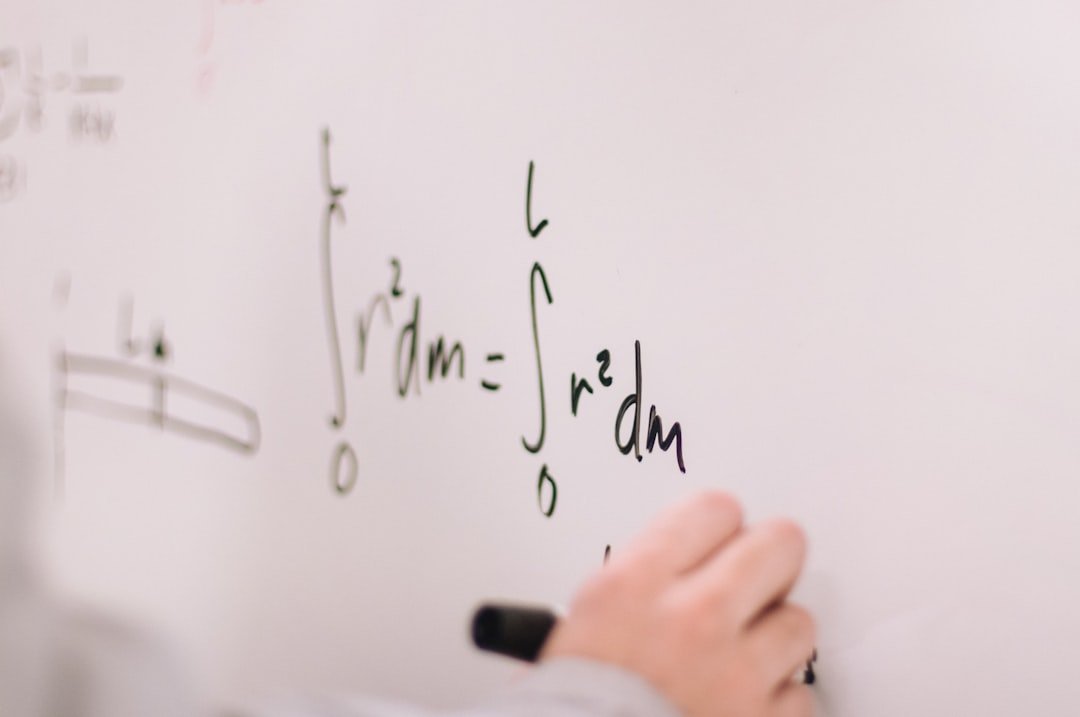
Yes. Live online Physics tuition can be arranged for CBSE Class 12 students who need personalised teaching, numerical practice, revision and doubt solving.
Can Physics classes follow NCERT?

Yes. The learning plan can be aligned with NCERT and the student’s current CBSE requirements, with additional practice where appropriate.
Can the tutor help with Physics numericals?

Yes. Numerical practice can focus on understanding the physical principle, selecting the correct equation, calculating accurately and checking the final answer.
Can derivations and diagrams be practised?

Yes. Students can practise derivations, diagrams and written explanations as part of their board preparation.
Can weak students take one-to-one Physics tuition?

Yes. Individual classes allow the tutor to identify prerequisite gaps and build concepts progressively.
Can students outside India join?

Yes. Online tuition can be arranged for students in India and selected international locations, subject to suitable tutor availability and timings.
How can I enquire?

Contact The Infinity Home Tuitions at +91-8872180500 with the student’s class, board, current level and preferred schedule.
Start CBSE Class 12 Physics Online Tuition

Build stronger Physics concepts with personalised live teaching, numerical practice, derivation support and structured board preparation. Contact The Infinity Home Tuitions to discuss the student’s requirements and preferred schedule.