This CBSE Class 12 English Core poetry analysis guide for 2027 explains how to read prescribed poems closely, identify literary devices, build evidence-based interpretations and practise extract and comparison answers. Confirm the exact poem list and examination requirements for your academic session before using the plan.
Confirm the prescribed syllabus and texts
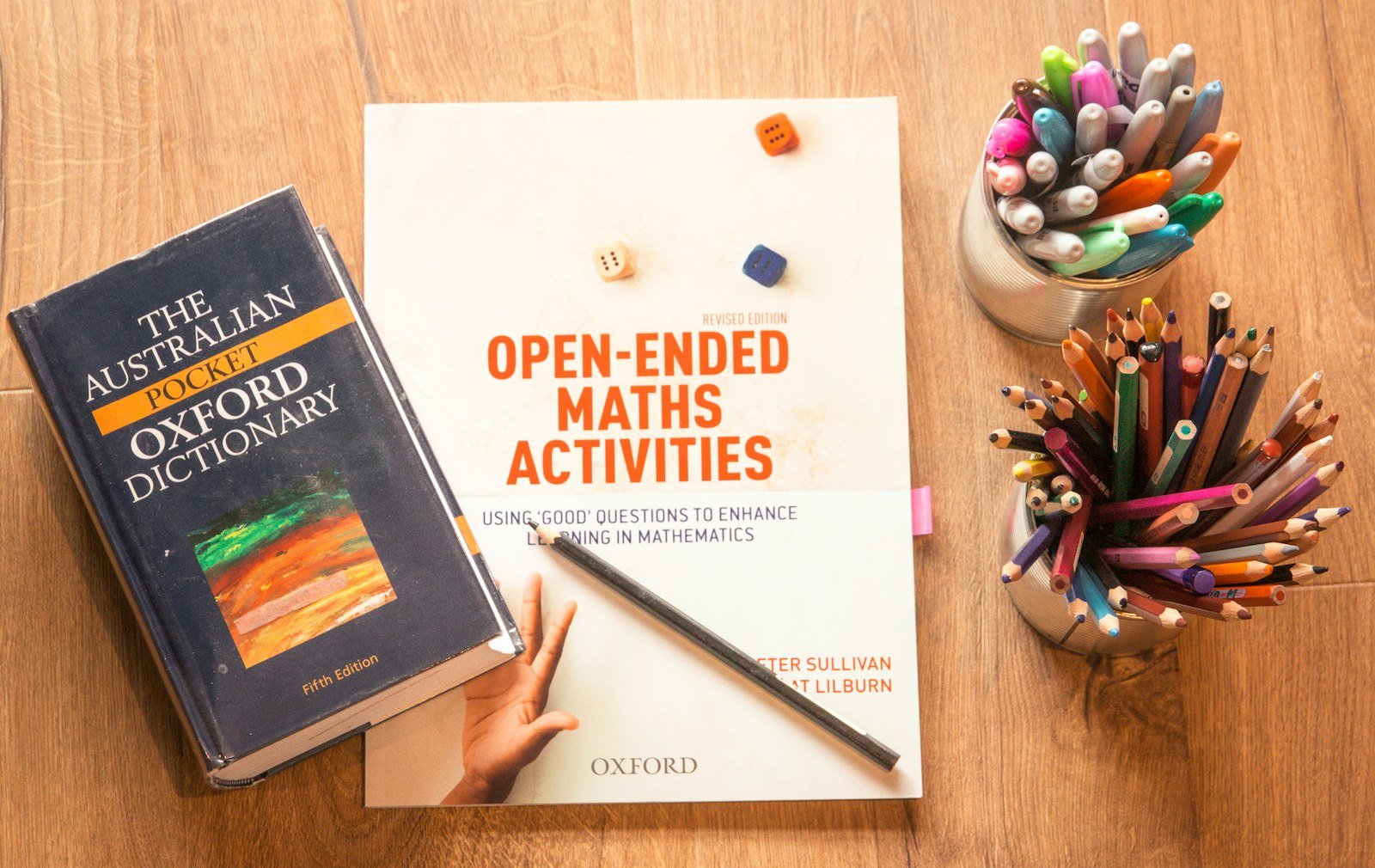
Before analysing poems for the 2027 examination, confirm the current CBSE Class 12 English Core syllabus, prescribed text list and assessment instructions. Do not assume every poem from an earlier year remains prescribed. Start with the official CBSE Academic website and cross-check your school’s latest circular and teacher instructions. Make a checklist of the poems included in your course and mark each as first reading, annotated, understood, practised and revised. This prevents spending time on material that is not prescribed while leaving required texts unfinished. Keep the textbook as your primary source. Online summaries may clarify a doubt, but they should not replace the poem’s actual language or your teacher’s interpretation. If your school provides sample papers or marking guidance, use them to understand expected response style. Always confirm the session-specific requirements rather than relying on old notes or unverified predictions.
Read the poem closely before memorising

The first reading should focus on the overall situation, speaker, mood and central idea. On the second reading, mark unfamiliar words, shifts in tone, repeated images, contrasts and lines that seem important. On the third, explain how those details contribute to meaning. Avoid beginning with a summary copied from the internet: it can make you overlook the exact words and structure of the prescribed text. Write a short paraphrase in your own language, then return to the original to ensure that you have not removed a key contrast or ambiguity. Ask who is speaking, what is being described, what changes during the poem and what the reader is invited to notice. This method builds comprehension and gives you evidence to support an interpretation instead of relying on vague statements about the poem’s message. If a phrase is confusing, note the question and clarify it with the textbook context or your teacher.
Identify speaker, situation and central idea
Prepare a compact overview for every poem that distinguishes the speaker from the poet unless the text clearly supports treating them as the same. Record the situation, subject, speaker’s attitude and central tension or insight. Do not assume a first-person speaker is automatically the poet speaking autobiographically. Notice whether the attitude changes and identify words that signal that change. A central idea should be precise enough to distinguish this poem from others. Instead of writing only “the poem is about life,” explain what aspect of life is explored and how the poem develops it. Keep the overview short, then test yourself by explaining the poem without looking at notes. If you cannot recall the situation or main shift, reread the relevant lines rather than memorising a long paragraph. Use concise notes that help you retrieve the poem’s meaning and support answers to different question wordings.
Analyse imagery and symbolism with evidence

Imagery creates a sensory or mental picture; symbolism allows an object, image or action to carry meaning beyond its literal role. When identifying imagery, name the image and explain its effect in context. When proposing a symbolic interpretation, support it with the poem’s wording and development. Do not assign a universal meaning to every object; a detail may be primarily descriptive or function differently across poems. Use a three-part note: brief phrase from the text, literal image, and contribution to tone or theme. During practice, explain why the poet’s particular image is effective instead of simply labelling it “beautiful” or “powerful.” Keep quotations short and accurate. If you are uncertain about exact wording, practise recognising the passage and explaining its significance rather than inventing a line. The purpose of analysis is to show how textual details create meaning, not to collect labels without explanation.
Recognise poetic devices and explain their effects

Learn the poetic devices included in your prescribed course, such as simile, metaphor, personification, alliteration, repetition, contrast, imagery or irony where relevant. The goal is not to label as many devices as possible. Identify a device only when you can explain how it shapes meaning, emphasis, sound or tone in context. Repetition may reinforce an idea, create rhythm or reveal insistence, depending on the passage. A metaphor may connect unlike things to develop an argument or emotional response. Avoid writing “the poet uses imagery to make the poem interesting” without explaining what the image helps the reader see or understand. Build a small table with device, example from the prescribed text and effect. Review it by covering the effect column and explaining it aloud. If you cannot explain the effect, revisit the lines instead of memorising a generic answer.
Track tone and mood across the poem

Tone refers to the speaker’s or text’s attitude, while mood concerns the atmosphere or feeling created for the reader. The terms can overlap in everyday discussion, but a precise answer should explain which is being described. Do not attach a single emotion to the whole poem if the tone changes. Divide the text into meaningful stages and note shifts in confidence, doubt, distance, humour or seriousness when supported by the words. Identify the vocabulary, punctuation, imagery or sound patterns that signal the shift. Explain why it matters: does it change the speaker’s position, complicate the central idea or prepare the ending? Avoid unsupported labels such as “sad” or “happy” without evidence. In a written answer, connect tone to the actual wording and situation. This produces a stronger analysis than listing adjectives without showing how the poem creates them.
Create a theme map instead of a long summary

A theme map links the central idea to supporting details across the poem. Place the theme in the centre and connect it to relevant images, contrasts, changes in tone or structural choices. Add a short explanation to each connection. The map should help you see how the poem develops meaning, not simply list keywords. If the text supports multiple themes, distinguish the main one from supporting ideas and justify your choice with evidence. Use your own phrasing while retaining concepts taught in class. A theme map is useful when two poems address related subjects but approach them differently. Compare their speakers, imagery and conclusions instead of assuming that a shared topic means an identical message. Once the map is complete, turn it into a coherent paragraph without looking at it. This checks whether the connections make sense in written form and helps you prepare for unfamiliar question phrasing.
Structure analytical answers clearly

A reliable analytical answer directly addresses the question, states the relevant idea, supports it with textual details and explains how those details answer the prompt. Start by identifying the command word: explain, compare, analyse, justify or describe may require different approaches. Avoid opening with a broad biography or a long retelling unless requested. Organise the answer into logical points. Each point should make a claim, provide evidence or a precise textual reference, and explain the connection. For comparisons, use a clear criterion and discuss both texts in relation to it. Keep the answer proportionate to the marks and follow teacher guidance on length. Do not force every device or theme into every answer. Relevance, accuracy and explanation matter more than volume. Practise with a timer only after you understand the text well enough to build a coherent response independently.
Practise extract-based questions

When answering an extract question, begin with the supplied lines rather than jumping immediately to a memorised summary of the whole poem. Read the extract twice and identify the speaker, situation, important words and relationship to the wider text. For a device question, point to the expression and explain its effect. For tone, use evidence from the extract. For inference, distinguish what the text states directly from what you infer. Check each response against the question wording and avoid unrelated background. If the extract contains a contrast or change, explain how it works rather than naming it alone. After practice, review whether you answered every part, used accurate terminology and stayed within the evidence. Use official sample materials only after confirming that they match the applicable session and course. Reattempt questions you got wrong after a gap to test whether you have learned the reasoning rather than memorised the answer.
Memorise quotations selectively and accurately

Short textual references can strengthen an analysis, but memorising a large bank of disconnected quotations is inefficient. Select brief phrases that illustrate a central image, contrast, tone shift or theme. Record enough context to understand when the phrase is relevant. Practise recalling the key wording accurately, but never invent a quotation if uncertain. A precise reference followed by a strong explanation is better than a fabricated line. Use quotation marks only when the wording is exact. When the question supplies an extract, use its language directly and analyse it. If a quotation is not required, paraphrase accurately and identify the relevant moment. Organise a small quotation bank by poem and analytical purpose. Test it by explaining what each phrase contributes, not simply reciting it. Accuracy and relevance should guide selection; quotations are evidence, not a substitute for interpretation.
Compare poems using a clear basis

Comparison questions require a shared basis for discussion. You might compare how two prescribed poems represent a relationship, respond to change, use imagery or develop tone if relevant to the question. State the common point, then explain a meaningful difference. Avoid writing one complete summary followed by another without showing how the texts relate. A comparison table can help during revision: theme, speaker, tone, imagery, structure and ending. Include only categories supported by both poems and useful to the task. A strong comparison recognises nuance; poems can share a topic but reach different conclusions or use contrasting methods. In the final answer, organise paragraphs around comparison points rather than treating each poem as a separate mini-essay. This makes the reasoning easier to follow and keeps the response focused. Practise adapting the same knowledge to different question wordings instead of learning a single fixed comparison paragraph.
Connect form and structure to meaning

Form and structure include the way a poem is arranged, how ideas progress, where lines or stanzas break and how sound or rhythm contributes to reading. Do not assume every structural feature has a hidden symbolic meaning. First describe the feature accurately, then explain its effect in the specific poem. A change in stanza, repeated phrase or abrupt ending may affect pace, emphasis or the development of an idea. Support claims with the text. If you discuss rhyme or rhythm, explain what is relevant to the question rather than listing a technical term without interpretation. Structural analysis is strongest when it connects form to meaning: how the poem begins, develops and concludes, and whether the ending confirms or complicates earlier ideas. Use only terminology you understand and that fits the prescribed text. Avoid attributing intention to the poet unless you can explain how the text supports your reading.
Avoid common poetry-analysis mistakes

Common mistakes include writing a generic theme that could fit almost any poem, confusing the poet with the speaker, naming a device without explaining its effect, and retelling the text instead of analysing it. Students sometimes memorise online interpretations that do not match class discussion or use quotations inaccurately. Correct these habits by grounding each claim in the prescribed text and explaining why the evidence matters. Another mistake is trying to include every possible theme or device in a short answer. Choose details that answer the specific question. Avoid unsupported claims about the poet’s personal life unless reliable course material makes them relevant. Keep revision notes concise and practise applying them to new question wording. After each written practice, mark one strength and one specific improvement. Rewriting the weakest paragraph is often more useful than rereading the same answer repeatedly.
Build a weekly poetry revision routine
Set aside recurring time for first reading, close annotation, recall and written answers. A workable week might revisit two poems in short sessions, practise one extract response, compare two texts and spend a final session testing older material. Adapt the pattern to your prescribed list, school timetable and other subjects. Give each session a measurable result: annotate a stanza, explain a tone shift, answer an extract question or correct a comparison paragraph. Keep a log of poems that remain difficult and the precise reason: unclear vocabulary, uncertain speaker, weak evidence, confused device or poor answer structure. Revisit those issues before adding more tasks. A short cumulative quiz helps prevent older poems from being forgotten while you study newer ones. Do not attempt to master every poem in one late-night session. Regular practice and feedback make it easier to retain meaning and write independently.
Use teacher feedback and model answers wisely

Model answers can show one possible way to organise an interpretation, but they should not become scripts to reproduce regardless of the question. Compare your answer with teacher feedback and ask which part needs improvement: accuracy, evidence, explanation, organisation or relevance. If a model uses a phrase you do not understand, clarify it before adding it to your notes. More than one interpretation may be reasonable when supported by the text, but an answer must still respond to the prompt and follow course expectations. Rewrite one paragraph after feedback and compare it with the original. Keep a personal checklist of recurring errors, such as vague claims, missing evidence or excessive summary. The goal is to construct a clear answer independently, not to memorise a single ideal paragraph. Bring specific doubts to your teacher, such as why a particular image supports a certain theme, rather than asking only whether an answer is correct.
Manage time during the examination

Practise with the current paper structure and time guidance supplied by CBSE and your school. Do not assume a previous year’s format is unchanged. Read each question carefully, note all parts and allocate time according to marks and complexity. Begin with a direct response plan rather than spending too long on an elaborate introduction. If a question asks for two ideas, ensure both are addressed. Leave a brief review period to check omissions, spelling of key terms, quotation accuracy and whether each answer responds to the prompt. During timed practice, record where time was lost: rereading, planning, overlong summaries or rewriting sentences. Make one adjustment in the next practice paper. Time management develops through realistic attempts, not by rushing every answer. Use the official CBSE Academic resources for session-specific information.
Follow a 14-day poetry revision plan

For a two-week revision window, confirm the prescribed poem list and rate your confidence in each text. In the first days, revisit the least familiar poems and write short summaries from memory, then correct them against the textbook. Next, focus on imagery, tone, structure and evidence supporting each interpretation. In the middle of the plan, answer extract-based questions and write analytical paragraphs under timed conditions. Then practise comparison questions and revisit your error log. During the final days, use short retrieval sessions, review selected quotations and explain each poem aloud without reading full notes. This is a flexible framework, not a guarantee of marks or a replacement for covering the rest of English Core. If you have more time, spread the same stages over several weeks. If you have less time, prioritise required texts and the weaknesses shown by your practice answers.
Frequently asked questions about poetry analysis

Should I memorise full poem summaries? Learn the central idea, speaker, tone, key images and progression, then practise explaining them in your own words. Do I need exact quotations? Use accurate short quotations when they strengthen an answer; never invent wording. How do I explain a poetic device? Identify the relevant phrase, name the device if certain, and explain its effect in context. How can I improve extract answers? Read the supplied lines carefully, use textual evidence and answer the exact question. Are online notes enough? No. The prescribed text, current syllabus, teacher guidance and independent writing practice should remain central. Where should I confirm the 2027 course? Check current CBSE Academic resources and your school’s instructions.
Official resources for English Core preparation

Check the official CBSE Academic website for current session-specific information. Use your prescribed textbook, teacher notes and official school instructions as the foundation for revision.
Get structured study support from The Infinity Home Tuitions

If you need help with close reading, literary analysis or English Core answer writing, explore learning options from The Infinity Home Tuitions and discuss your current syllabus and learning goals.
Strengthen your English Core preparation
Explore personalised tuition, online live learning and study resources.
Important: The prescribed texts and assessment requirements may change by session. Verify the 2027 course with CBSE and your school.