CBSE Class 12 Biology case-based questions test whether students can apply textbook concepts to passages, experiments, diagrams, graphs and real-life biological situations. This 2027 preparation guide covers genetics, molecular biology, reproduction, human health, biotechnology and ecology, along with data interpretation, common mistakes and a four-week practice plan. Treat it as a study framework, not a prediction of exact examination questions.
Begin with NCERT and verify the current curriculum and sample-paper guidance using official resources before finalising revision.
Build a consistent Biology routine
Explore The Infinity Home Tuitions and live classes.
How to Approach CBSE Class 12 Biology Case-Based Questions
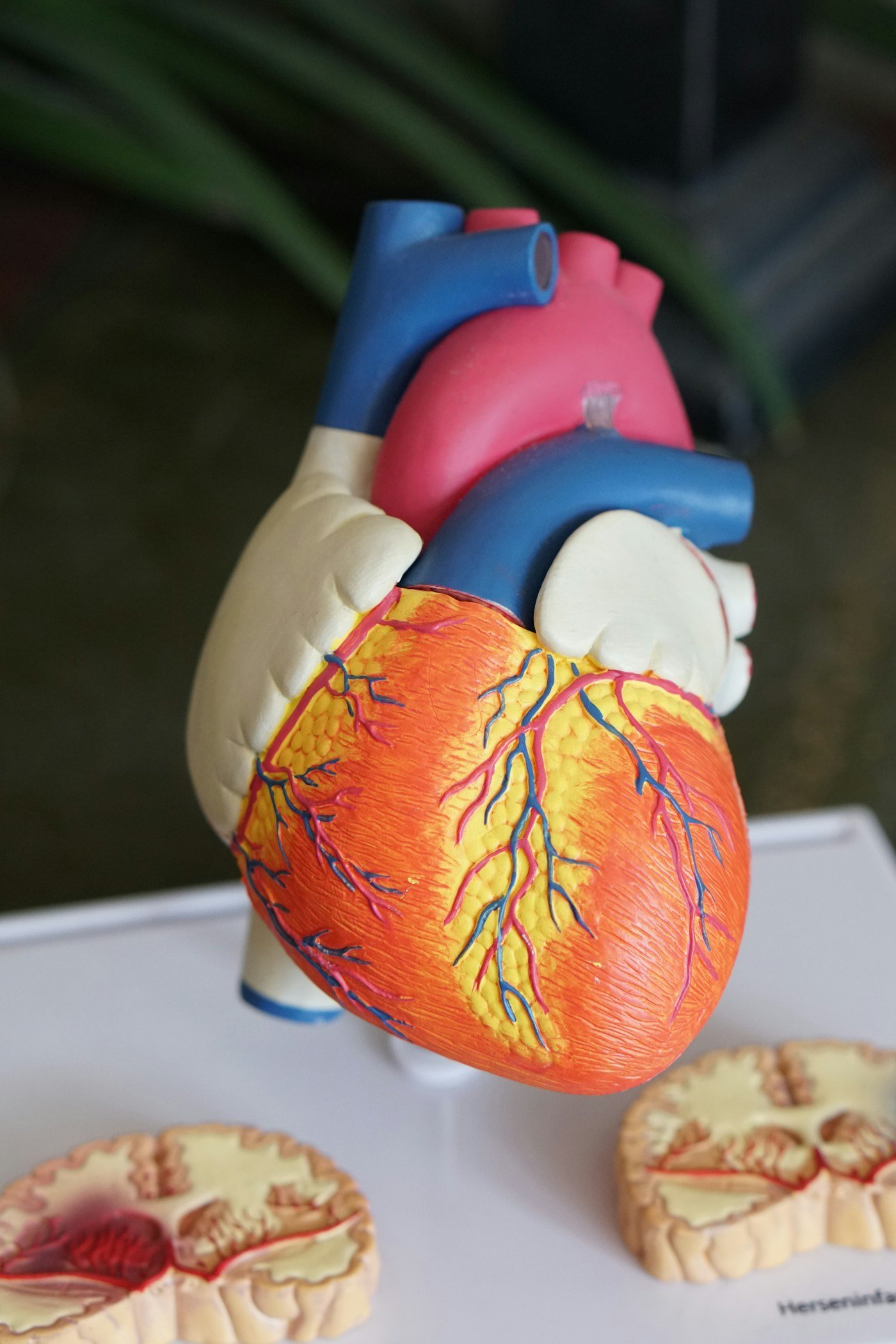
A case-based question gives a passage, experiment, data set, diagram or real-life situation followed by linked questions. Read once for the broad topic and again to mark clues such as allele, hormone, antibody, population, energy flow or variation. Treat the passage as evidence rather than decoration.
Identify the command word. ‘Name’ asks for a term; ‘explain’ needs a reason or mechanism; ‘compare’ needs a clear difference; and ‘predict’ asks you to apply a principle. Avoid writing everything you remember. Answer the exact question and use the evidence provided.
For numerical items, write the relationship first, substitute carefully and include units. For graphs, read the axes and legend before interpreting the trend. After practice, review the reasoning that led to each answer, not only the answer key.
Genetics: Mendelian Inheritance and Probability
Genetics passages often describe a cross, pedigree, trait or offspring ratio. Define symbols consistently, such as A for a dominant allele and a for a recessive allele. A dominant phenotype may have genotype AA or Aa, so use the evidence to decide which possibilities fit.
For Aa × Aa under complete dominance, the expected genotypic ratio is 1:2:1 and the phenotypic ratio is 3:1. A test cross with a homozygous recessive individual can help distinguish a homozygous dominant from a heterozygote. Decide whether the question asks for genotype, phenotype, probability or ratio.
Probability applies to each independent offspring under the stated assumptions; it is not a guarantee for a small family. Show a Punnett square when it clarifies the reasoning and state assumptions only when relevant.
Molecular Basis of Inheritance: DNA, RNA and Protein Synthesis

Molecular genetics passages may concern replication, transcription, translation, mutations or gene expression. DNA stores hereditary information; transcription produces RNA from a DNA template; translation uses mRNA codons to assemble a polypeptide at the ribosome. These processes are related but not interchangeable.
For sequence questions, note the strand and orientation. RNA uses uracil instead of thymine. A codon is read on mRNA, whereas an anticodon is associated with tRNA. If a mutation is shown, determine whether the codon changes and what effect can reasonably be inferred.
A mutation does not always change a protein or visible trait. Distinguish a nucleotide change, an amino-acid sequence change and a phenotype change. State only what the passage supports.
Evolution: Evidence, Selection and Hardy–Weinberg Equilibrium

Evolution cases may describe fossils, homologous structures, antibiotic resistance or allele frequencies. Identify whether the evidence concerns common ancestry, natural selection, genetic drift or gene flow. Homologous structures share an underlying structural plan; analogous structures perform similar functions but have different evolutionary origins.
Natural selection acts on heritable variation. If resistant bacteria survive treatment and reproduce, the resistant variant can become more common in later generations. Do not suggest organisms intentionally develop exactly the mutation they need.
For Hardy–Weinberg problems, p + q = 1 and p² + 2pq + q² = 1. Check whether the passage supplies an allele frequency or a phenotype frequency before calculating. The model assumes a large population and absence of evolutionary forces.
Human Reproduction: Gametes, Fertilisation and Hormonal Control

Reproductive cases may cover gamete formation, the menstrual cycle, fertilisation, implantation or hormones. Put events in chronological order. Follicular development and ovulation are coordinated by pituitary and ovarian hormones; after ovulation, progesterone from the corpus luteum supports the endometrium.
Spermatogenesis generally produces four functional haploid sperm from a primary spermatocyte, while oogenesis produces one large functional ovum and polar bodies. If asked why gametes are haploid, connect meiosis to restoration of the diploid chromosome number at fertilisation.
A surge in luteinising hormone is associated with ovulation; progesterone helps maintain the uterine lining after ovulation. Explain the sequence and feedback rather than treating each hormone as acting alone.
Reproductive Health: Contraception, Infertility and Prevention

Reproductive-health cases may describe contraception, assisted reproductive technologies or prevention of sexually transmitted infections. Categorise methods accurately: barrier methods limit sperm reaching the ovum and can reduce transmission risk; hormonal methods alter reproductive processes; intrauterine devices act within the uterus; and permanent methods involve surgical procedures.
IVF involves fertilisation outside the body under controlled conditions, followed by transfer at an appropriate stage. Other assisted reproductive procedures use different steps or transfer locations. Use the exact textbook terminology and match it to the scenario.
For prevention questions, use respectful and factual language. Screening, barrier protection, medical advice and evidence-based education may be relevant depending on the question. Focus on the biological principle asked; do not diagnose someone from a short passage.
Human Health and Disease: Immunity, Vaccines and Pathogens

Health cases may provide symptoms, a pathogen or an immune response. Separate the infectious agent from the host response. Innate immunity provides broad, immediate defence; adaptive immunity is more specific and can generate immunological memory.
Antibodies are produced by activated B lymphocytes that differentiate into plasma cells. Cell-mediated responses involve T lymphocytes. Vaccination presents an antigen or suitable antigenic representation to stimulate protection and memory. A vaccine is not an antibiotic, and antibiotics do not directly treat viral infections.
When a passage mentions a disease, answer with the transmission route, causative agent or immune mechanism relevant to the question. For antibody-level graphs, check timing and axes before distinguishing primary and secondary responses.
Microbes in Human Welfare: Useful Organisms and Applications
Cases may describe fermentation, sewage treatment, biogas, antibiotics or industrial products. Connect the microorganism or community to its function. Lactic acid bacteria contribute to milk fermentation; anaerobic microbes help break down organic matter in biogas systems; selected microbes produce useful products under controlled conditions.
Sewage treatment combines physical removal of solids with biological processes that reduce organic pollution. Biochemical oxygen demand (BOD) estimates oxygen required by microorganisms to break down biodegradable matter. A reduction in BOD after treatment generally indicates a lower biodegradable organic load.
Distinguish biofertilisers from biocontrol agents. Biofertilisers support nutrient availability through biological processes; biocontrol agents help manage pests or pathogens. State the input, biological agent and useful output when explaining a process.
Biotechnology: Tools, Recombinant DNA and Applications

Biotechnology cases often describe restriction enzymes, vectors, DNA ligase, amplification or gene transfer. Restriction enzymes cut DNA at specific recognition sequences, vectors carry genetic material into a host, and DNA ligase joins DNA fragments. A workflow may include preparing the insert and vector, joining them, introducing the construct and screening for the desired result.
PCR amplifies a selected DNA region through repeated denaturation, primer annealing and extension by a thermostable DNA polymerase. A DNA band is evidence related to the target sequence, subject to the controls and specificity of the method; PCR alone does not prove every aspect of a diagnosis.
Applications may involve recombinant proteins, crop traits, molecular diagnosis or gene-therapy research. Separate the technique from its application and from any ethical or safety issue. Explain what an experimental control tests and why comparison is necessary.
Organisms and Populations: Adaptations and Population Growth

Ecology cases may describe desert plants, temperature stress, competition or population size. An adaptation is a heritable feature that improves survival or reproductive success in a particular environment across generations; it is not necessarily a conscious response by an individual.
Exponential growth under abundant resources can be represented as dN/dt = rN. Logistic growth includes carrying capacity K and can be represented as dN/dt = rN(K−N)/K. Read axes and scales before identifying a curve; a population levelling near K is consistent with logistic growth.
Identify the effects of species interactions. Mutualism benefits both partners, competition can negatively affect both through shared limiting resources, and predation benefits one while harming the other. Use the evidence in the passage to justify your classification.
Ecosystem: Energy Flow, Productivity and Decomposition

Energy enters most ecosystems through photosynthesis, moves between trophic levels and is dissipated as heat. Nutrients cycle, but energy is not recycled in the same way. Lower energy availability at higher trophic levels helps explain why energy pyramids are upright.
Net primary productivity equals gross primary productivity minus energy used in producer respiration. Decomposition depends on temperature, moisture, oxygen and detritus composition. Resistant substances such as lignin can slow decomposition compared with easily degradable material.
Read whether a pyramid represents numbers, biomass or energy; these are different measures. In food-web questions, trace the specific path asked for and draw arrows in the direction of energy transfer, from food to consumer.
Biodiversity and Conservation: Patterns, Threats and Strategies

Biodiversity includes genetic diversity within species, diversity among species and ecosystem diversity. Threats can include habitat loss, fragmentation, overexploitation, invasive alien species and co-extinctions. Name the level of biodiversity and the threat that the passage actually describes.
Explain the mechanism behind a threat. Fragmentation may isolate populations and reduce gene flow; an invasive species may compete with native organisms; overexploitation can reduce populations faster than they recover. Tie each claim to the evidence provided.
In-situ conservation protects organisms in their natural habitats, such as through protected areas. Ex-situ conservation protects them outside their natural habitats, for example in seed banks. Name the strategy and explain why it suits the described challenge.
How to Read Graphs, Tables and Experimental Data

Read the title, units, axes, sample size and legend first. Note whether a variable rises, falls, peaks or differs between groups. Then connect the observed pattern to the biological mechanism that is supported by the data.
Identify independent and dependent variables and any control group. A control helps evaluate whether a difference is associated with the tested variable. If two conditions differ in several important ways, the experiment may not isolate the cause clearly.
Avoid overclaiming: correlation does not automatically establish causation, and a small sample may not represent every population. Describe the trend, cite a specific comparison and then explain its biological meaning.
Diagrams, Labels and Flowcharts in Case-Based Answers

Practise clean diagrams with accurate labels rather than artistic detail. Keep label lines clear and point them to the correct structure. If a question asks for two structures, avoid crowding the page with an unrelated full diagram.
Flowcharts suit sequences such as transcription and translation, reproductive hormone events, recombinant DNA steps or sewage treatment. Put events in logical order and use arrows consistently. A flowchart may support an explanation but should not replace a required written reason.
Before submitting, match the diagram to the exact question. For differences, a compact comparison table may be clearer than a long paragraph. Marks depend on correct content and labels, not decoration.
Common Mistakes in Biology Case-Based Questions

A common mistake is copying the passage without answering the question. Another is giving a memorised definition when application is required. Use the passage as evidence, state the concept and connect it to the scenario. Underline command words during practice.
Students may confuse genotype and phenotype, transcription and translation, innate and adaptive immunity, gross and net productivity, or in-situ and ex-situ conservation. Build a contrast notebook with concise distinctions. For numerical items, show the formula and check units.
Answers may use different wording while retaining the same correct meaning, but the scientific relationship must be accurate. Use NCERT terminology, explain reasoning when required and avoid unsupported claims. Classify mistakes as concept, reading, calculation, terminology or time management.
A Four-Week Practice Plan for Biology Case Studies

In week one, revise core concepts and terminology from the prescribed NCERT chapters. List key processes, diagrams and comparisons. Complete short sets without a timer at first so that you can focus on understanding the clues in each passage.
In week two, practise topic-wise questions on genetics, reproduction, health, biotechnology and ecology. Explain why the correct answer fits and why a tempting alternative does not. In week three, mix topics, add time limits and keep a mistake log. Revisit incorrect questions after a gap.
In week four, attempt full practice papers under realistic conditions and review them against the current official syllabus and instructions. Avoid assuming a particular format without checking current CBSE materials. Use the final days for targeted revision rather than rereading every chapter from scratch.
Where NCERT and Official CBSE Resources Fit

NCERT textbooks should be the foundation for definitions, diagrams, mechanisms and chapter language. Use the official NCERT textbook portal at https://ncert.nic.in/textbook.php and the CBSE Academic website at https://cbseacademic.nic.in/ for the applicable curriculum and sample-paper information.
Commercial question banks can add variety but should not override the prescribed syllabus or official instructions. Be cautious of claims that a website can guarantee exact exam questions. Case-based practice is intended to develop application, not memorisation of predictions.
Keep an error notebook and a concise revision sheet for processes, diagrams and confusing terms. Compare online explanations with textbooks and official material; ask a teacher to clarify conflicting details.
How Personalised Online Biology Support Can Help

A focused teacher can help determine whether an error comes from a concept gap, misreading, terminology or application. In a live lesson, the student can explain their reasoning, receive feedback on the exact step and then solve a similar question independently.
The Infinity Home Tuitions shares learning options at https://theinfinityhometuitions.com/ and live classes at https://theinfinity.live. Families can compare one-to-one and group formats according to subject needs, timetable and budget; confirm availability and class details before enrolment.
Bring the textbook, current syllabus, attempted answers and a short list of recurring difficulties to a session. Work through one example with guidance, solve another together and then attempt a third independently. This helps build exam confidence and independent problem-solving.
Frequently Asked Questions About Biology Case-Based Questions

The best preparation is to revise NCERT concepts, practise passages from different chapters, identify command words and explain how the evidence supports an answer. Review errors by category and retry similar questions after a short interval.
Do not memorise full case answers. Learn definitions, processes and terminology, then practise applying them to unfamiliar situations. Start with the prescribed textbook and verify the current syllabus and sample-paper guidance using official CBSE resources.
Online tuition can provide discussion and feedback on reasoning, but students should continue independent practice. Choose resources that match the applicable syllabus and focus on understanding rather than supposed exam predictions.
Final Revision Checklist for the 2027 Exam

Revise the prescribed chapters and current syllabus. Practise case-based questions across genetics, molecular biology, reproduction, human health, biotechnology and ecology. Check axes, units, legends and command words carefully, and show calculation steps where relevant.
Draw and label diagrams neatly, use accurate terminology and keep answers focused on the question. Maintain an error log and attempt mixed-topic sets under timed conditions. Use official resources to confirm the applicable examination instructions and syllabus.
For structured learning, explore The Infinity Home Tuitions at https://theinfinityhometuitions.com/, live classes at https://theinfinity.live, the app at https://play.google.com/store/apps/details?id=com.dqawyh.ztmscp, and updates at https://whatsapp.com/channel/0029Vb8gJdKJf05hlKUg973f.
Need structured study support?
Explore online tuition options, live learning at theinfinity.live, The Infinity app or the WhatsApp channel.