Looking for an online Art Education tutor for Class 6? This guide explains how students can develop observation, creative confidence and practical skills while following their school’s actual syllabus and assessment expectations.
Understand the school art syllabus
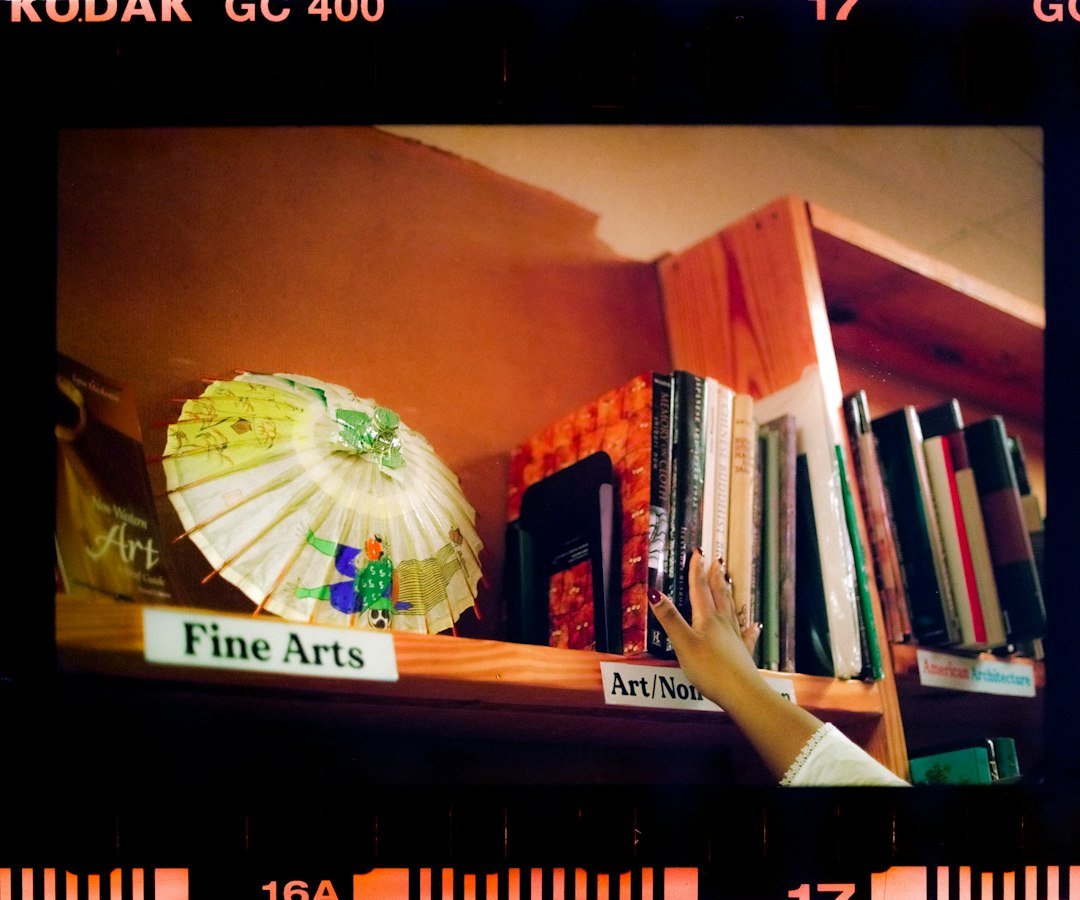
Art learning in Class 6 can include observation, drawing, colour, shape, texture, pattern, composition and creative expression, depending on the school curriculum. Students should check their prescribed syllabus and teacher instructions. A tutor can demonstrate a technique, model how to observe an object, and then allow the learner to practise independently. Encourage experimentation and reflection rather than expecting every learner to produce identical work. Keep a sketchbook, note what worked and identify one skill to practise next. Use safe, age-appropriate materials and maintain a comfortable workspace. Regular short practice sessions help students develop confidence and control over time.
Build observation skills
Art learning in Class 6 can include observation, drawing, colour, shape, texture, pattern, composition and creative expression, depending on the school curriculum. Students should check their prescribed syllabus and teacher instructions. A tutor can demonstrate a technique, model how to observe an object, and then allow the learner to practise independently. Encourage experimentation and reflection rather than expecting every learner to produce identical work. Keep a sketchbook, note what worked and identify one skill to practise next. Use safe, age-appropriate materials and maintain a comfortable workspace. Regular short practice sessions help students develop confidence and control over time.
Learn lines shapes and forms
Art learning in Class 6 can include observation, drawing, colour, shape, texture, pattern, composition and creative expression, depending on the school curriculum. Students should check their prescribed syllabus and teacher instructions. A tutor can demonstrate a technique, model how to observe an object, and then allow the learner to practise independently. Encourage experimentation and reflection rather than expecting every learner to produce identical work. Keep a sketchbook, note what worked and identify one skill to practise next. Use safe, age-appropriate materials and maintain a comfortable workspace. Regular short practice sessions help students develop confidence and control over time.
Explore colour and texture
Art learning in Class 6 can include observation, drawing, colour, shape, texture, pattern, composition and creative expression, depending on the school curriculum. Students should check their prescribed syllabus and teacher instructions. A tutor can demonstrate a technique, model how to observe an object, and then allow the learner to practise independently. Encourage experimentation and reflection rather than expecting every learner to produce identical work. Keep a sketchbook, note what worked and identify one skill to practise next. Use safe, age-appropriate materials and maintain a comfortable workspace. Regular short practice sessions help students develop confidence and control over time.
Practise drawing from observation
Art learning in Class 6 can include observation, drawing, colour, shape, texture, pattern, composition and creative expression, depending on the school curriculum. Students should check their prescribed syllabus and teacher instructions. A tutor can demonstrate a technique, model how to observe an object, and then allow the learner to practise independently. Encourage experimentation and reflection rather than expecting every learner to produce identical work. Keep a sketchbook, note what worked and identify one skill to practise next. Use safe, age-appropriate materials and maintain a comfortable workspace. Regular short practice sessions help students develop confidence and control over time.
Understand composition
Art learning in Class 6 can include observation, drawing, colour, shape, texture, pattern, composition and creative expression, depending on the school curriculum. Students should check their prescribed syllabus and teacher instructions. A tutor can demonstrate a technique, model how to observe an object, and then allow the learner to practise independently. Encourage experimentation and reflection rather than expecting every learner to produce identical work. Keep a sketchbook, note what worked and identify one skill to practise next. Use safe, age-appropriate materials and maintain a comfortable workspace. Regular short practice sessions help students develop confidence and control over time.
Develop visual storytelling
Art learning in Class 6 can include observation, drawing, colour, shape, texture, pattern, composition and creative expression, depending on the school curriculum. Students should check their prescribed syllabus and teacher instructions. A tutor can demonstrate a technique, model how to observe an object, and then allow the learner to practise independently. Encourage experimentation and reflection rather than expecting every learner to produce identical work. Keep a sketchbook, note what worked and identify one skill to practise next. Use safe, age-appropriate materials and maintain a comfortable workspace. Regular short practice sessions help students develop confidence and control over time.
Use materials safely
Art learning in Class 6 can include observation, drawing, colour, shape, texture, pattern, composition and creative expression, depending on the school curriculum. Students should check their prescribed syllabus and teacher instructions. A tutor can demonstrate a technique, model how to observe an object, and then allow the learner to practise independently. Encourage experimentation and reflection rather than expecting every learner to produce identical work. Keep a sketchbook, note what worked and identify one skill to practise next. Use safe, age-appropriate materials and maintain a comfortable workspace. Regular short practice sessions help students develop confidence and control over time.
Explore patterns and design
Art learning in Class 6 can include observation, drawing, colour, shape, texture, pattern, composition and creative expression, depending on the school curriculum. Students should check their prescribed syllabus and teacher instructions. A tutor can demonstrate a technique, model how to observe an object, and then allow the learner to practise independently. Encourage experimentation and reflection rather than expecting every learner to produce identical work. Keep a sketchbook, note what worked and identify one skill to practise next. Use safe, age-appropriate materials and maintain a comfortable workspace. Regular short practice sessions help students develop confidence and control over time.
Learn from art examples
Art learning in Class 6 can include observation, drawing, colour, shape, texture, pattern, composition and creative expression, depending on the school curriculum. Students should check their prescribed syllabus and teacher instructions. A tutor can demonstrate a technique, model how to observe an object, and then allow the learner to practise independently. Encourage experimentation and reflection rather than expecting every learner to produce identical work. Keep a sketchbook, note what worked and identify one skill to practise next. Use safe, age-appropriate materials and maintain a comfortable workspace. Regular short practice sessions help students develop confidence and control over time.
Build a regular practice routine
Art learning in Class 6 can include observation, drawing, colour, shape, texture, pattern, composition and creative expression, depending on the school curriculum. Students should check their prescribed syllabus and teacher instructions. A tutor can demonstrate a technique, model how to observe an object, and then allow the learner to practise independently. Encourage experimentation and reflection rather than expecting every learner to produce identical work. Keep a sketchbook, note what worked and identify one skill to practise next. Use safe, age-appropriate materials and maintain a comfortable workspace. Regular short practice sessions help students develop confidence and control over time.
Prepare artwork for assessment
Art learning in Class 6 can include observation, drawing, colour, shape, texture, pattern, composition and creative expression, depending on the school curriculum. Students should check their prescribed syllabus and teacher instructions. A tutor can demonstrate a technique, model how to observe an object, and then allow the learner to practise independently. Encourage experimentation and reflection rather than expecting every learner to produce identical work. Keep a sketchbook, note what worked and identify one skill to practise next. Use safe, age-appropriate materials and maintain a comfortable workspace. Regular short practice sessions help students develop confidence and control over time.
Describe and reflect on artwork
Art learning in Class 6 can include observation, drawing, colour, shape, texture, pattern, composition and creative expression, depending on the school curriculum. Students should check their prescribed syllabus and teacher instructions. A tutor can demonstrate a technique, model how to observe an object, and then allow the learner to practise independently. Encourage experimentation and reflection rather than expecting every learner to produce identical work. Keep a sketchbook, note what worked and identify one skill to practise next. Use safe, age-appropriate materials and maintain a comfortable workspace. Regular short practice sessions help students develop confidence and control over time.
Avoid common beginner difficulties
Art learning in Class 6 can include observation, drawing, colour, shape, texture, pattern, composition and creative expression, depending on the school curriculum. Students should check their prescribed syllabus and teacher instructions. A tutor can demonstrate a technique, model how to observe an object, and then allow the learner to practise independently. Encourage experimentation and reflection rather than expecting every learner to produce identical work. Keep a sketchbook, note what worked and identify one skill to practise next. Use safe, age-appropriate materials and maintain a comfortable workspace. Regular short practice sessions help students develop confidence and control over time.
How parents can support creativity
Art learning in Class 6 can include observation, drawing, colour, shape, texture, pattern, composition and creative expression, depending on the school curriculum. Students should check their prescribed syllabus and teacher instructions. A tutor can demonstrate a technique, model how to observe an object, and then allow the learner to practise independently. Encourage experimentation and reflection rather than expecting every learner to produce identical work. Keep a sketchbook, note what worked and identify one skill to practise next. Use safe, age-appropriate materials and maintain a comfortable workspace. Regular short practice sessions help students develop confidence and control over time.
Choose a suitable online art tutor
Art learning in Class 6 can include observation, drawing, colour, shape, texture, pattern, composition and creative expression, depending on the school curriculum. Students should check their prescribed syllabus and teacher instructions. A tutor can demonstrate a technique, model how to observe an object, and then allow the learner to practise independently. Encourage experimentation and reflection rather than expecting every learner to produce identical work. Keep a sketchbook, note what worked and identify one skill to practise next. Use safe, age-appropriate materials and maintain a comfortable workspace. Regular short practice sessions help students develop confidence and control over time.
Frequently asked questions
Art learning in Class 6 can include observation, drawing, colour, shape, texture, pattern, composition and creative expression, depending on the school curriculum. Students should check their prescribed syllabus and teacher instructions. A tutor can demonstrate a technique, model how to observe an object, and then allow the learner to practise independently. Encourage experimentation and reflection rather than expecting every learner to produce identical work. Keep a sketchbook, note what worked and identify one skill to practise next. Use safe, age-appropriate materials and maintain a comfortable workspace. Regular short practice sessions help students develop confidence and control over time.
Start a creative learning plan
Art learning in Class 6 can include observation, drawing, colour, shape, texture, pattern, composition and creative expression, depending on the school curriculum. Students should check their prescribed syllabus and teacher instructions. A tutor can demonstrate a technique, model how to observe an object, and then allow the learner to practise independently. Encourage experimentation and reflection rather than expecting every learner to produce identical work. Keep a sketchbook, note what worked and identify one skill to practise next. Use safe, age-appropriate materials and maintain a comfortable workspace. Regular short practice sessions help students develop confidence and control over time.
Explore The Infinity live learning platform or visit The Infinity Home Tuitions to discuss online learning support.
Plan a lesson around one clear outcome

A focused lesson starts with one achievable outcome, such as explaining a concept, completing a type of question or using a skill accurately. Begin with a short recap and a starter task to see what the student remembers. Model the process in manageable steps, invite the learner to practise with guidance and finish with an independent attempt. The tutor should note what the student could do without prompts and use that evidence to plan the next session. This prevents lessons from becoming a series of disconnected explanations.
Strengthen vocabulary and instructions
Students need to understand the vocabulary used in textbooks and questions. Create a small glossary containing the term, a simple definition and an example. Practise command words such as identify, describe, compare, explain and justify. Ask the learner to underline important information in a question and restate the task in their own words before answering. These habits reduce avoidable mistakes and improve both written responses and classroom participation.
Use worked examples effectively
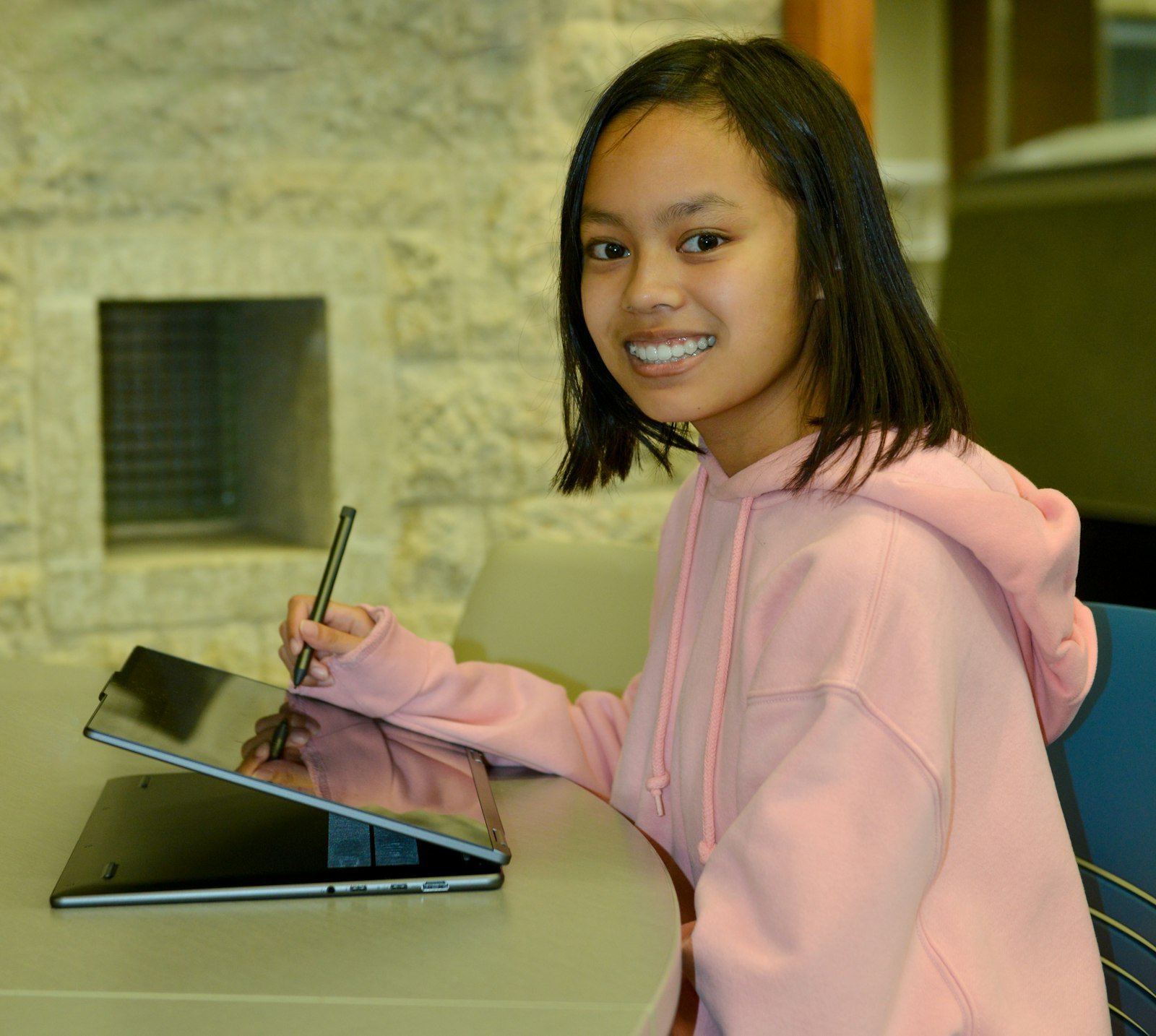
A worked example should make the thinking visible, not just show the final answer. The tutor can explain each decision, complete a second example with the learner and then ask for an independent attempt. Gradually reduce prompts as confidence grows. If the learner makes an error, ask them to locate the step where their reasoning changed. Correcting the process is more useful than simply giving the right answer.
Practise retrieval and spaced revision

Retrieval practice means trying to recall information before looking at notes. Spaced revision means returning to a topic over several days rather than studying it once. Ask the learner to summarise a concept from memory, answer a few short questions and then check the textbook for missing points. Repeat the process after a delay. Keep revision brief and regular so that it fits alongside schoolwork and rest.
Build a useful error log
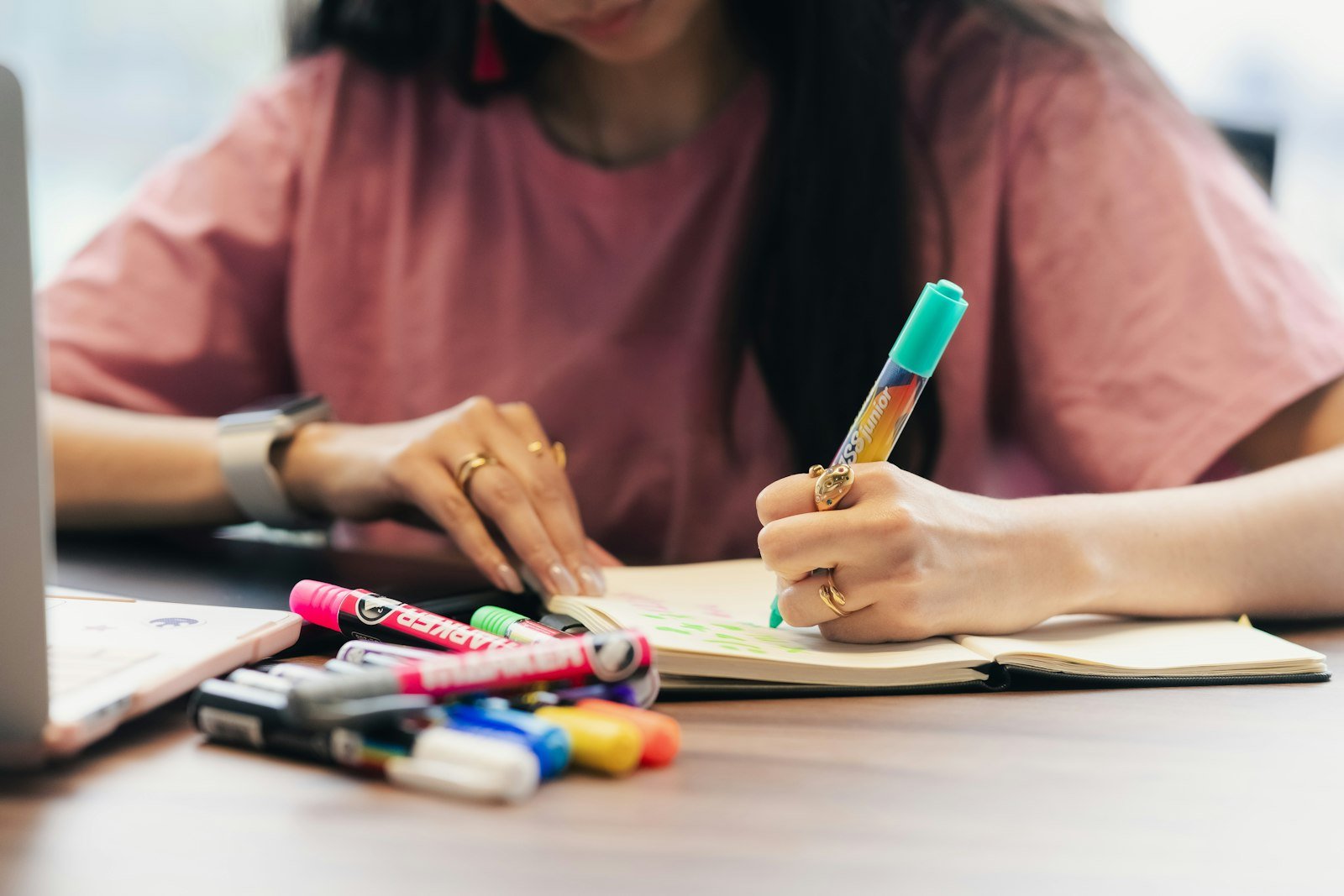
An error log should record the question, the type of mistake, why it happened and the corrected method. Review it before a new practice set and choose one recurring error to address. Avoid copying every wrong answer without reflection. The student should explain what they will do differently next time, such as reading the instruction twice, checking a calculation or using a key term accurately. This turns mistakes into actionable learning information.
Make homework manageable

Homework should be short enough for the learner to complete independently and carefully. Select a few representative tasks rather than assigning a large number of repetitive questions. The student should attempt each task before checking notes, mark uncertainties and bring doubts to the next lesson. Parents can provide a quiet space and a predictable time, but should avoid completing the work. Independent effort gives the tutor a realistic view of progress.
Use feedback to set the next goal
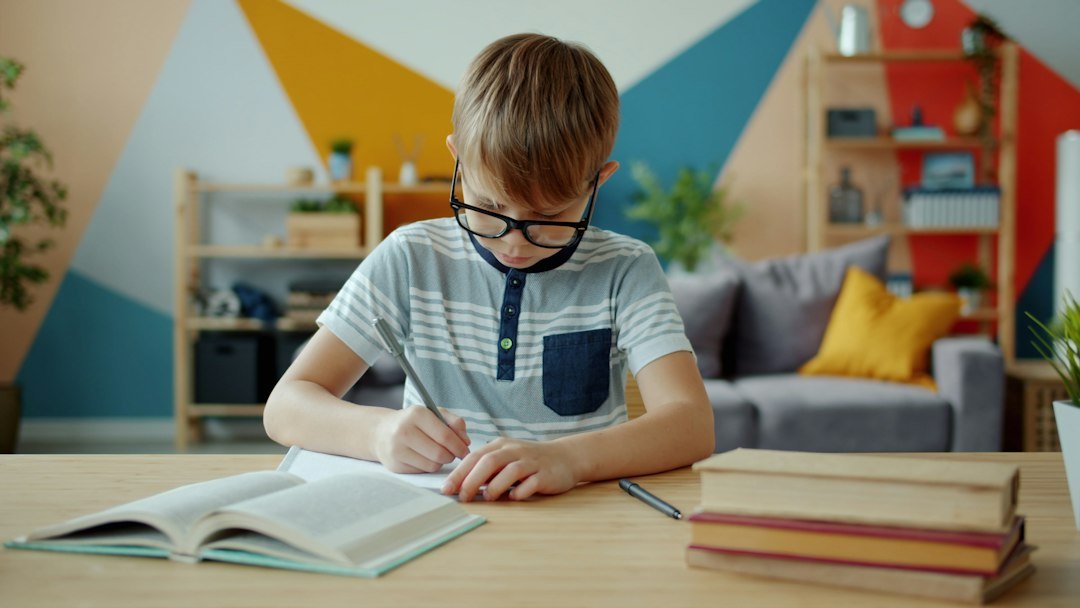
Useful feedback describes an action the student can take. Instead of saying “improve your work,” explain whether the learner needs to show a step, define a term, label a diagram or check a final response. Agree on one small goal for the next week and review it in the next lesson. Clear feedback helps students understand how to improve without feeling that every mistake is a judgement about ability.
Coordinate tuition with school learning
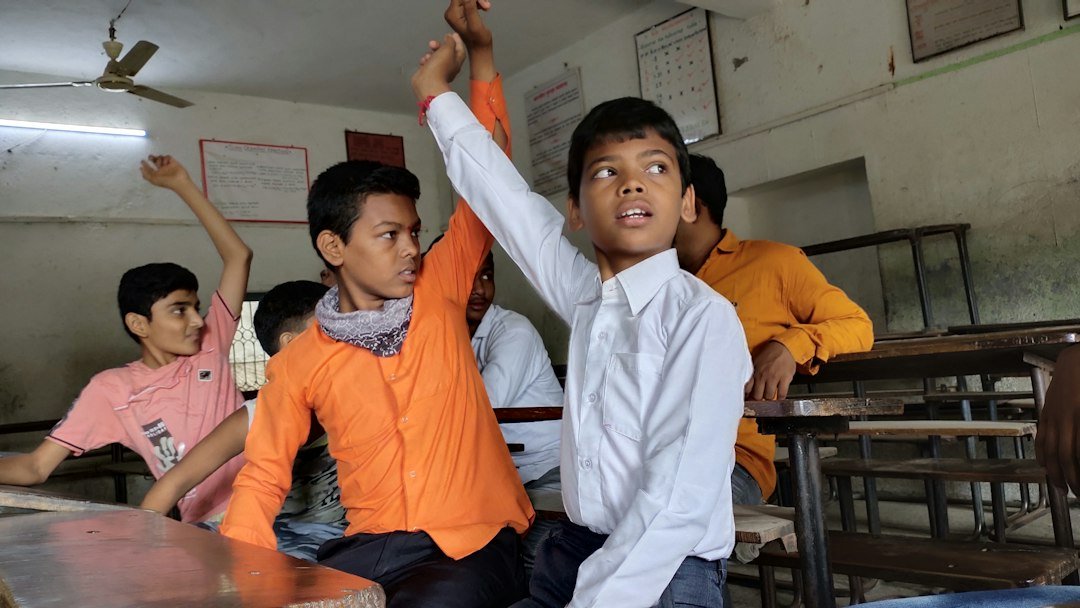
Tuition should reinforce classroom learning, not compete with it. Share the current syllabus, class notes, worksheets and teacher feedback with the tutor. Confirm which topics are required for the current term and which are optional enrichment. If the school changes the pace or assessment format, adjust the tuition plan. This coordination helps the learner practise the right material and prevents unnecessary repetition or gaps.
Develop active recall between lessons

After a lesson, close the textbook and ask the student to write or explain three important points from memory. They can then reopen the book, correct omissions and add one example. This short routine shows what has been retained and what needs another explanation. Repeat the recall activity after a day or two, changing the question slightly so that the learner applies the idea rather than memorising one exact response. Keep the task brief and supportive; it should build confidence and reveal next steps, not become another high-pressure test.
Create a home learning checklist

A simple checklist can make home practice easier to manage. Include the current chapter, the small task to complete, the materials needed and a box to mark when the student has checked their work. Review the checklist with the tutor once a week and remove tasks that are no longer relevant. Parents can help the learner choose a regular time and prepare the study space. The checklist should remain flexible and realistic, leaving time for rest, play and other responsibilities.