Online Computer Science Tuition gives students focused live support for programming, algorithms, data structures, databases, computer networks, computational thinking and school examination preparation. The Infinity Home Tuitions offers one-to-one online Computer Science classes and small-group live classes with practical coding, debugging and structured revision.
One-to-One and Group Online Computer Science Classes

Students can choose personalised one-to-one teaching or a small-group format. The right choice depends on coding experience, current syllabus, learning pace and need for individual debugging.
Online Computer Science Tuition for Class 11

Class 11 students can build programming foundations, computational thinking, problem-solving and database skills according to their current curriculum.
Online Computer Science Tuition for Class 12

Class 12 preparation can focus on programming, data structures, databases, networking and other prescribed topics, together with practical and theory examination practice.
Python Programming for School Students

Students can learn Python syntax, variables, data types, operators, conditions, loops, functions, strings, lists, dictionaries and file handling where prescribed. Each concept should be reinforced through short programs.
Programming Logic and Problem Solving

Good programming starts with understanding the problem. Students can learn to break a problem into inputs, processing, outputs and smaller logical steps before writing code.
Algorithms and Flowcharts

Algorithms and flowcharts help students plan solutions before coding. Practice can focus on sequence, selection, iteration and tracing program logic.
Functions and Modular Programming

Functions make programs easier to understand, test and reuse. Students can practise parameters, return values, scope and decomposition through progressively harder problems.
Lists, Strings and Data Structures

Students can practise common data structures and operations through coding exercises. Understanding how data is stored and processed is more valuable than memorising isolated commands.
File Handling and Data Processing

Where included in the syllabus, students can learn how to read, write and process structured data while understanding file modes, records and common errors.
SQL and Database Concepts

Database preparation can cover tables, fields, keys, relationships and SQL commands such as SELECT, WHERE, ORDER BY, GROUP BY and other syllabus-relevant operations.
Computer Networks

Students can understand network types, devices, transmission concepts, protocols and internet-related terminology through diagrams and application questions.
Cyber Safety and Digital Practices

Cybersecurity concepts can include safe authentication, privacy, responsible digital behaviour, common threats and protective practices according to the student’s curriculum.
Debugging and Error Analysis
Debugging is a core programming skill. Students can learn to identify syntax, runtime and logical errors, test assumptions and use systematic tracing rather than guessing.
Computer Science Practical Preparation

Practical preparation should include writing programs independently, testing edge cases, correcting errors and explaining the logic behind the solution.
Computer Science Case-Based Questions
Application questions require students to identify the relevant programming or computing concept from a situation and justify the solution. Regular case practice improves transfer of knowledge.
Computer Science Answer-Writing
Theory answers should use accurate terminology, clear steps, diagrams or examples where useful, and concise explanations. Programming answers should be readable and logically structured.
Computer Science Diagnostic Assessment

A diagnostic assessment can identify whether the student’s main gap is syntax, logic, algorithms, debugging, databases, networking or theory.
Weekly Coding Tests
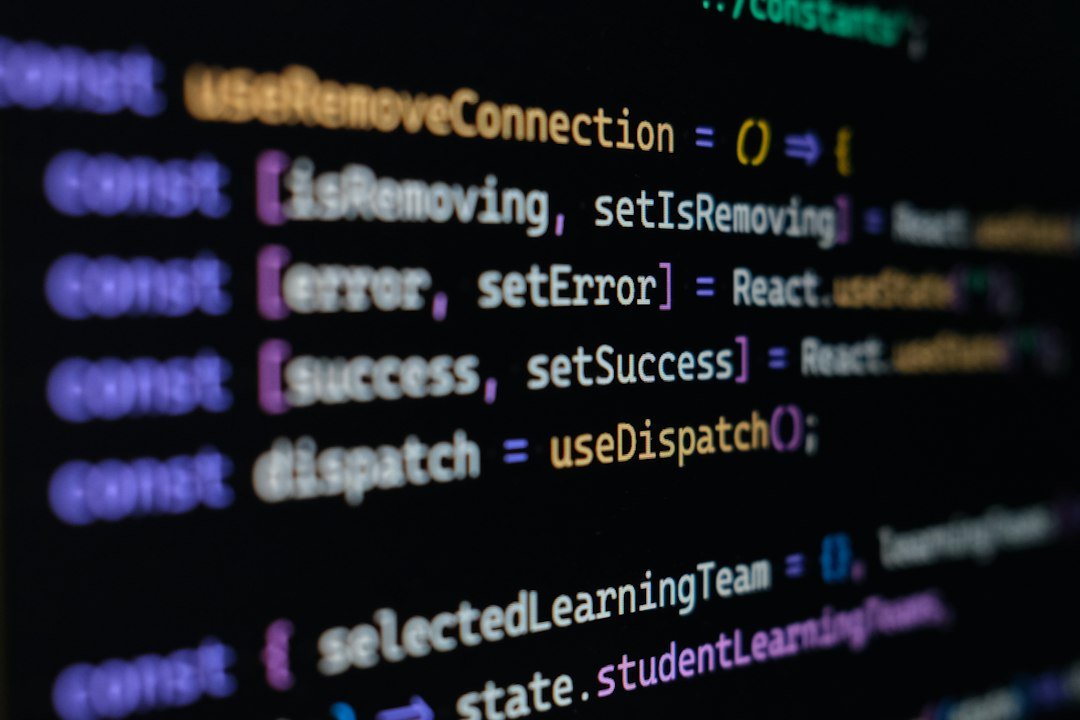
Short coding tests can measure syntax accuracy, logical thinking, debugging ability and completion time. Theory quizzes can be combined with practical tasks.
Computer Science Tuition for Weak Students
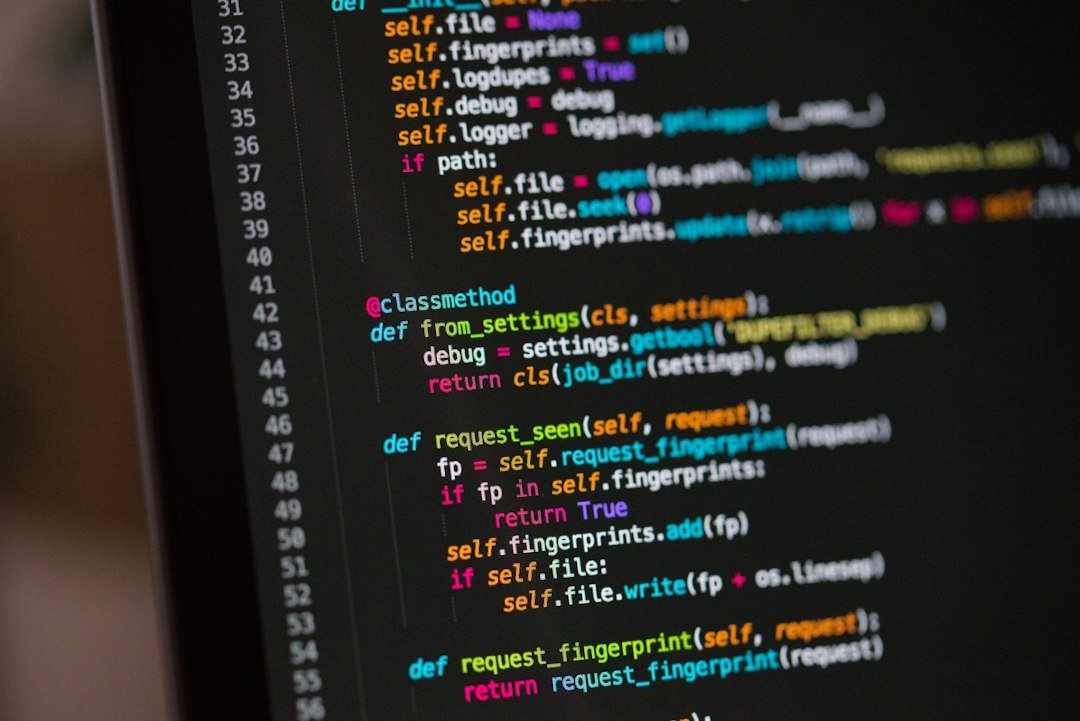
Weak students can start with programming fundamentals, tracing, small programs and guided debugging before moving to larger problems and independent coding.
Computer Science Tuition for Average Students

Average students can focus on reducing coding errors, improving problem decomposition, writing cleaner programs and solving mixed-topic questions under time limits.
Advanced Computer Science Tuition

Advanced students can practise complex programming problems, optimisation, mixed concepts, independent debugging and challenging practical questions.
One-to-One vs Small-Group Computer Science Tuition

| Factor | One-to-One | Small Group |
|---|---|---|
| Pace | Fully personalised | Shared pace |
| Debugging | Direct individual review | Shared problem-solving |
| Coding practice | Personalised exercises | Interactive exercises |
| Best fit | Specific gaps or intensive support | Collaborative learning |
CBSE Online Computer Science Tuition

CBSE Computer Science preparation should follow the student’s current syllabus and assessment requirements. Students should verify the latest curriculum and examination guidance through official CBSE resources.
Official CBSE · Official NCERT
Computer Science Board Exam Preparation

Preparation can combine programming practice, theory revision, SQL exercises, networking questions, sample-style papers and timed tests. The current assessment pattern should be checked from official sources.
Parent Progress Tracking for Computer Science

Parents can track programs completed, debugging accuracy, practical scores, theory test marks, recurring coding errors and confidence with independent problem solving.
How to Choose an Online Computer Science Tutor

Check programming expertise, curriculum familiarity, practical teaching ability, debugging approach, communication and testing system. A diagnostic class can establish the student’s actual coding level.
Online Computer Science Tuition in India and Abroad

Live Computer Science classes can support students across India and students following Indian curricula abroad. Scheduling can be adapted to the student’s local time zone.
Frequently Asked Questions About Online Computer Science Tuition

Which classes can take Computer Science tuition?
Dedicated school Computer Science tuition can be structured for the student’s applicable class and curriculum, with focused senior-secondary support where required.
Can beginners learn programming online?
Yes. A structured plan can begin with basic syntax and logic before moving to larger programs.
Can online classes help with debugging?
Yes. Live screen-based practice can focus on tracing code, identifying errors and testing corrections.
Does tuition include SQL?
Where SQL is part of the student’s syllabus, classes can include database concepts and practical query exercises.
Can Computer Science tuition help with board exams?
Yes. Preparation can combine coding, theory, practical work and timed examination practice.
Is one-to-one better than group tuition?
One-to-one provides more individual debugging time, while small groups can add collaborative problem solving.
How can parents track progress?
Progress can be reviewed through completed programs, coding tests, practical performance and recurring error patterns.
How can parents book Computer Science tuition?
Contact The Infinity Home Tuitions at +91-8872180500 with the student’s class, board and preferred class format.
Start Online Computer Science Tuition

Choose one-to-one live Computer Science tuition for personalised coding support or a small-group live class for interactive practice. The learning plan should be based on measurable gaps and regular progress reviews.
Contact: +91-8872180500